Ceiling speaker installation should solve more than where the speakers go
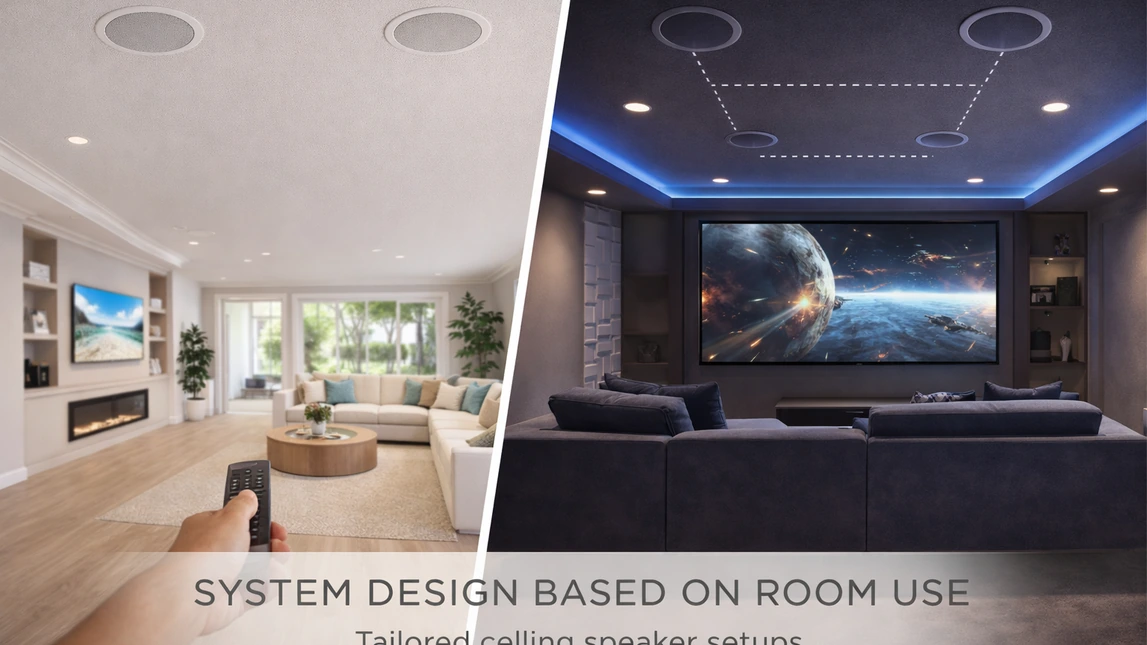
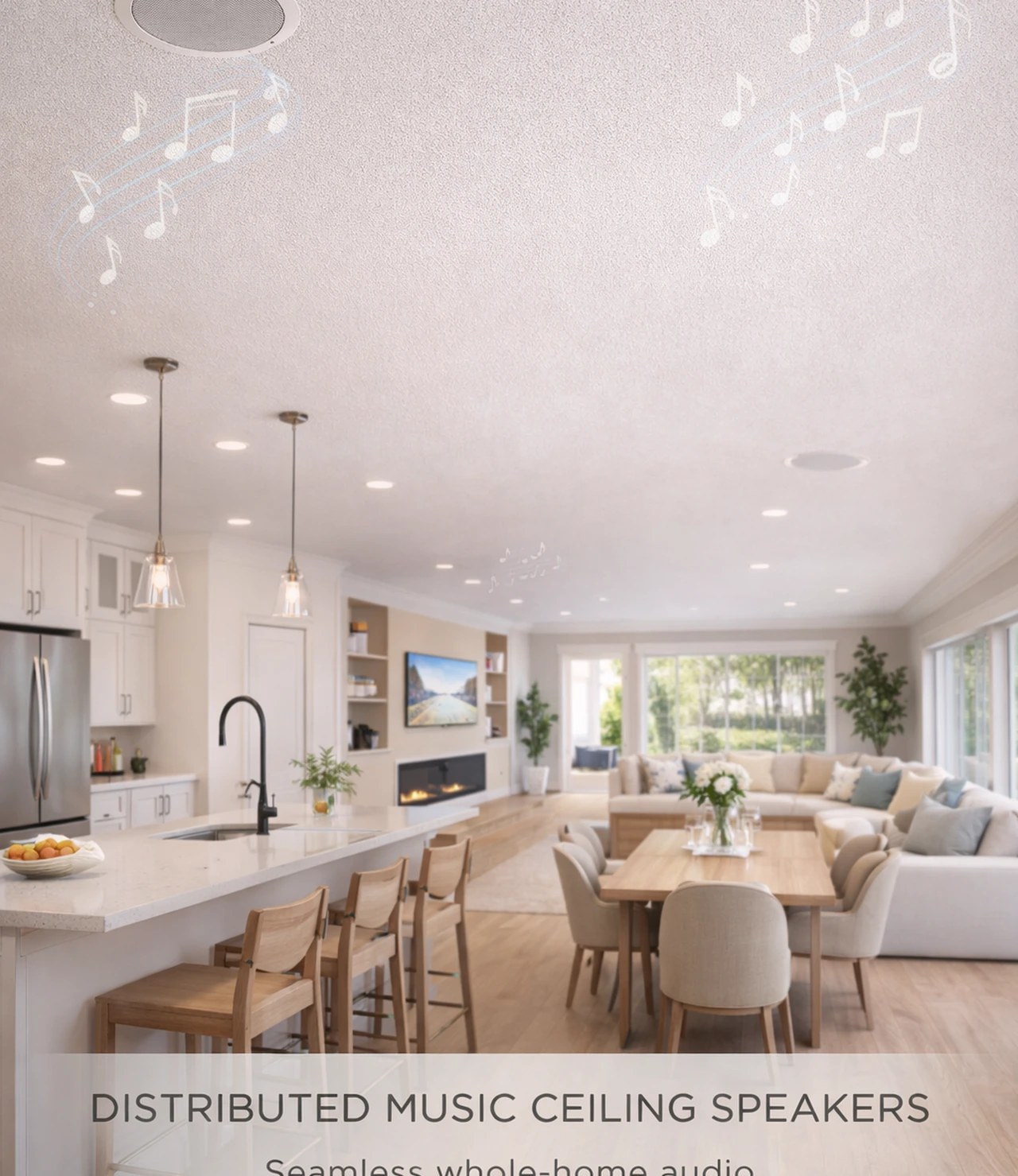
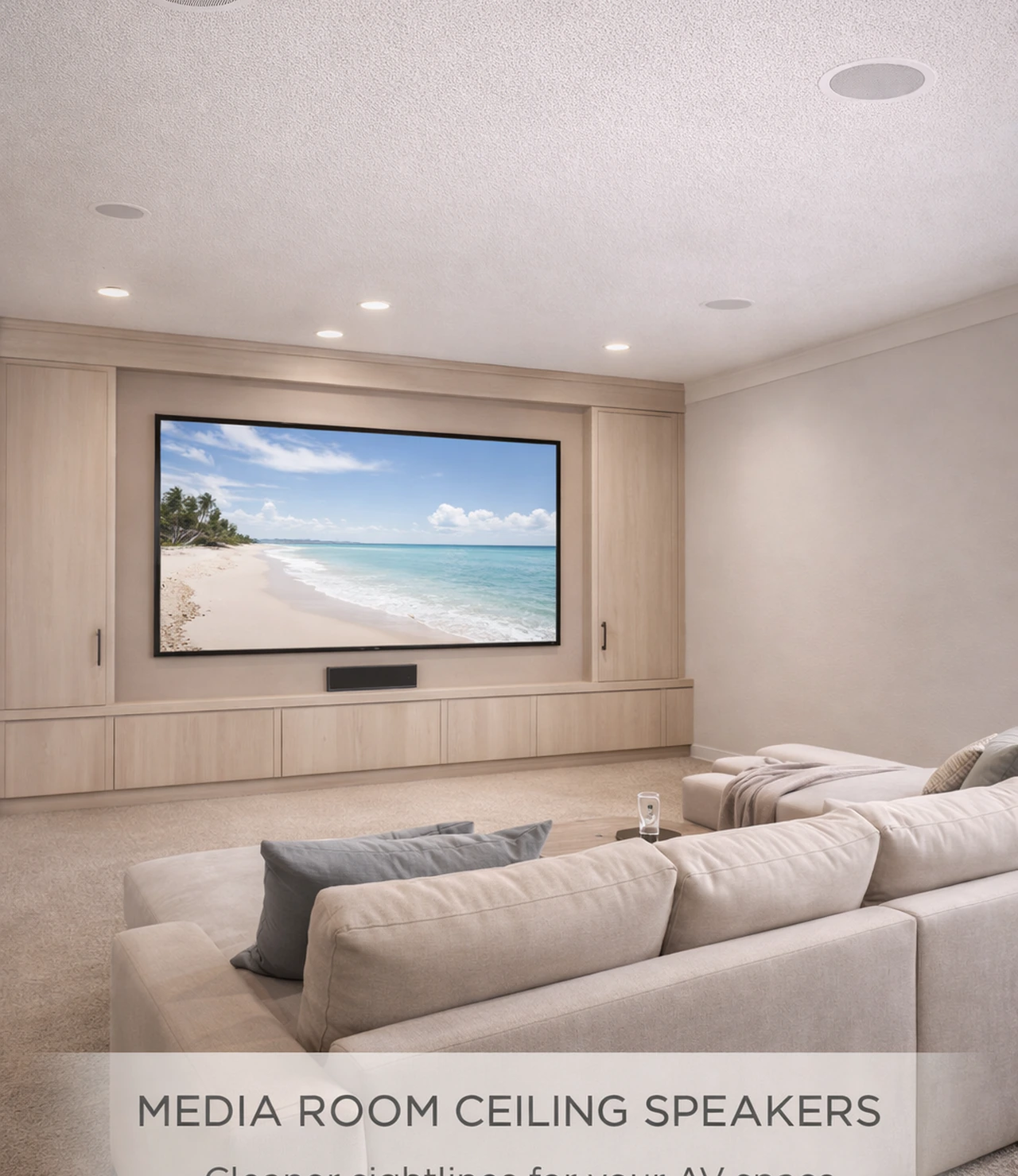
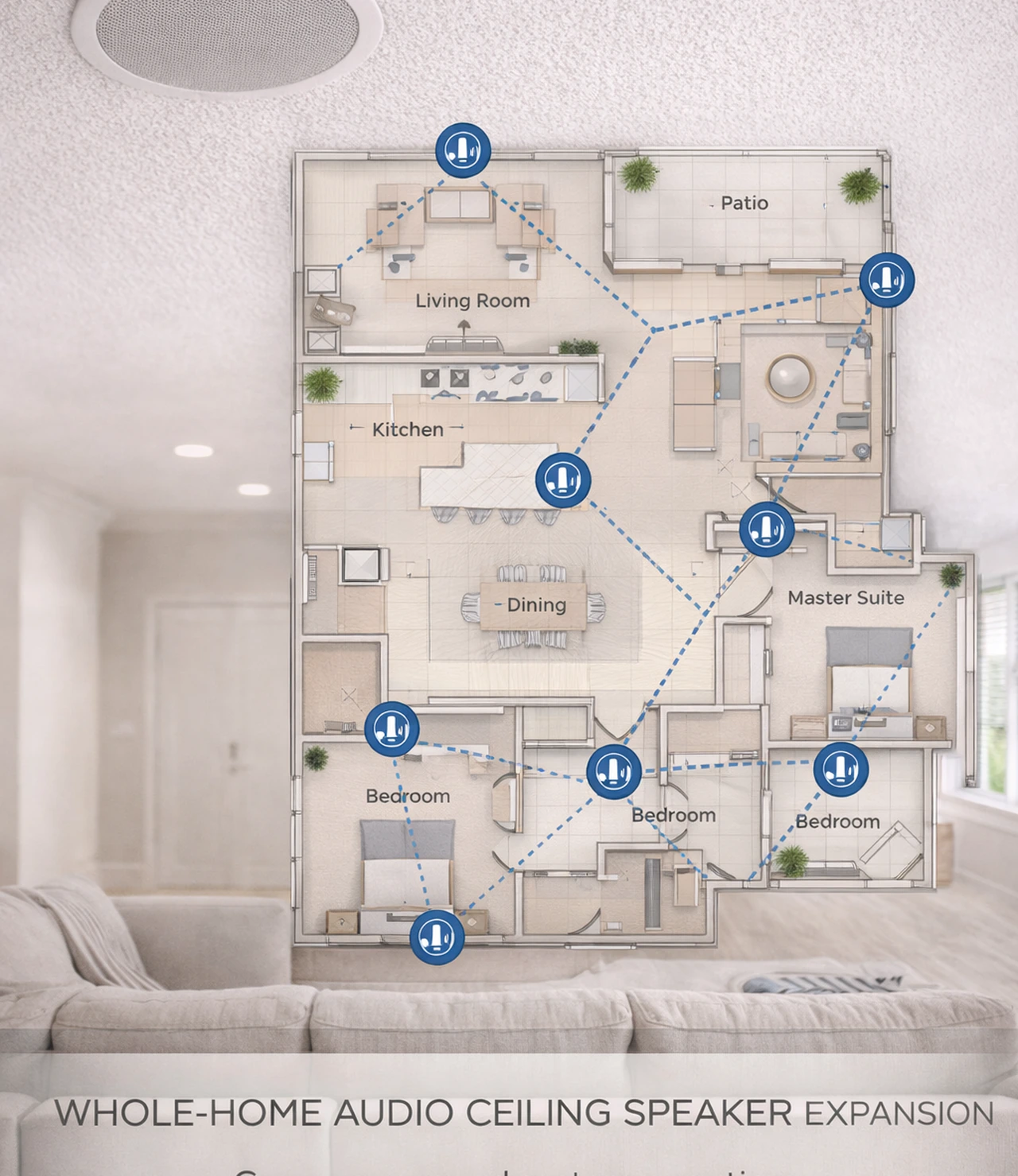
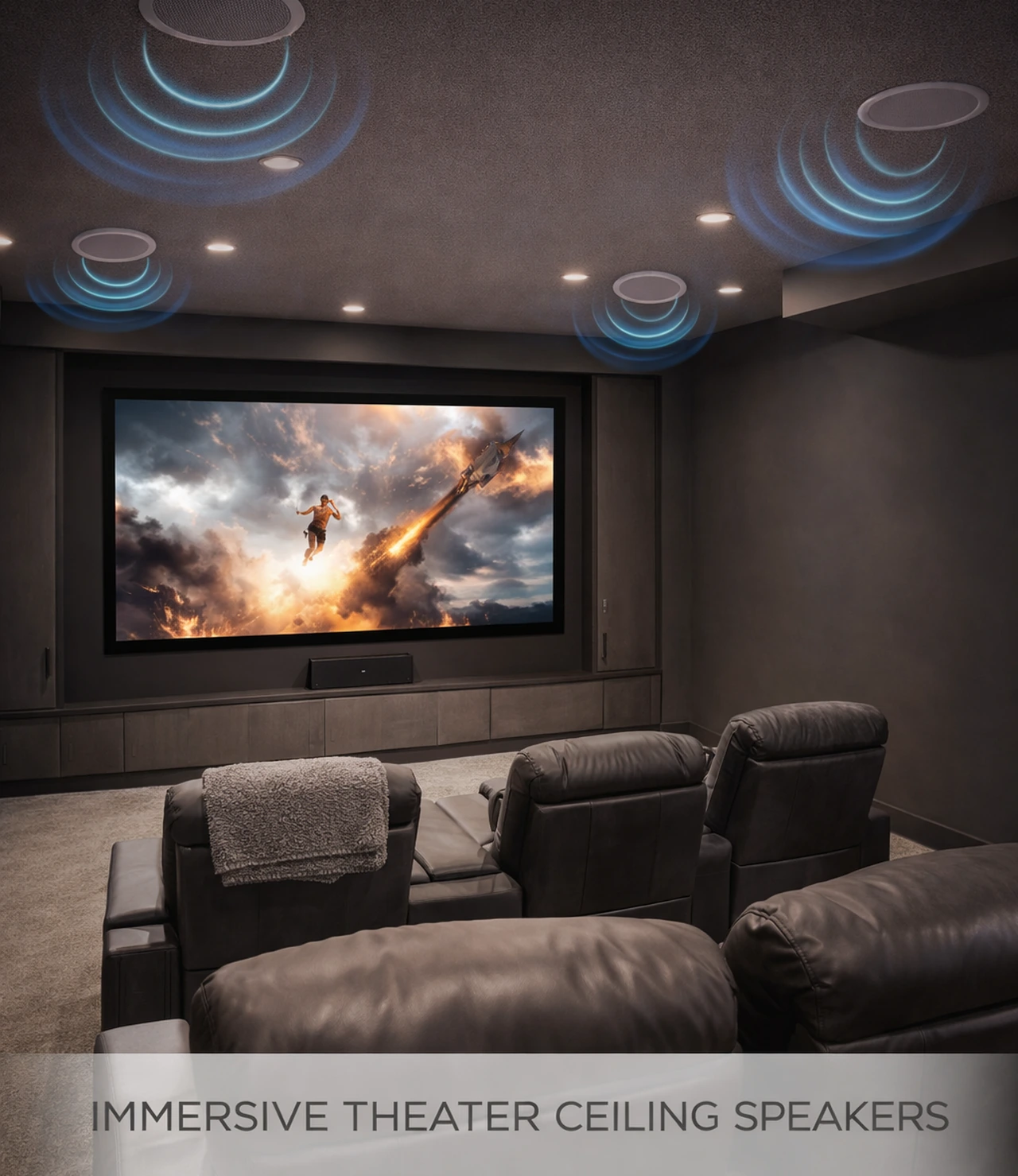
A strong ceiling speaker installation starts with a simple question: what should the room actually do well when the system is finished? Some homeowners want even background music across a kitchen, living room, or covered outdoor transition. Some want a cleaner media room without floor-standing speakers taking over the layout. Others are trying to build a more immersive theater with overhead channels, or they want multiple rooms tied together so music is easy to start, stop, and control without walking from space to space. Those are very different goals, and they should not all be treated with the same speaker count, the same placement pattern, or the same equipment recommendations.
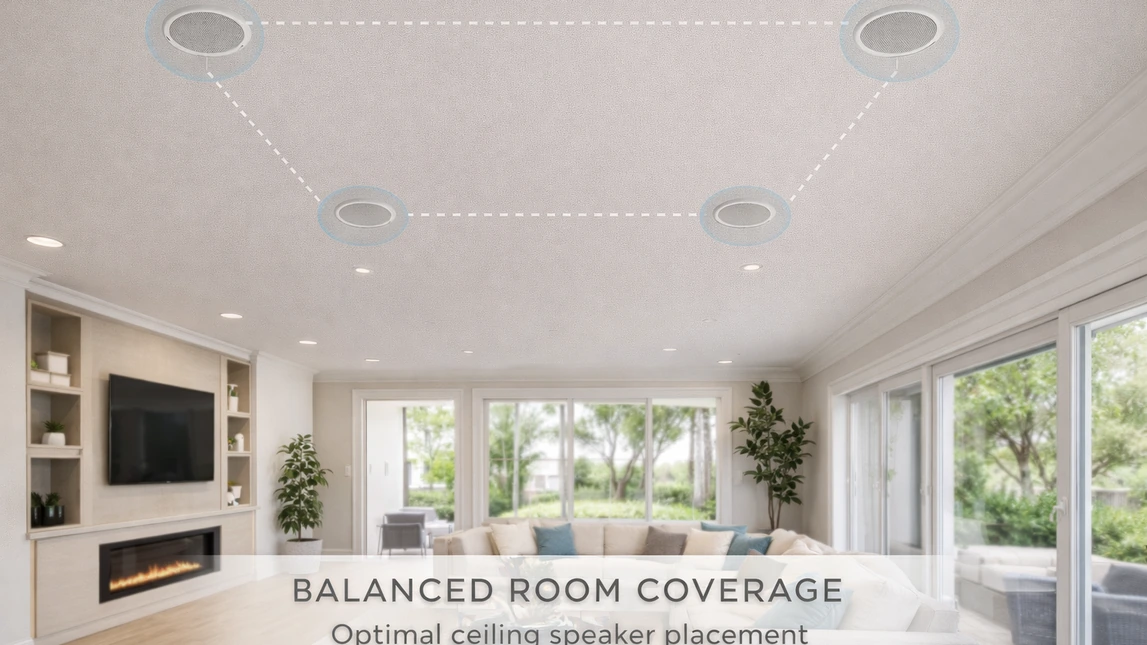
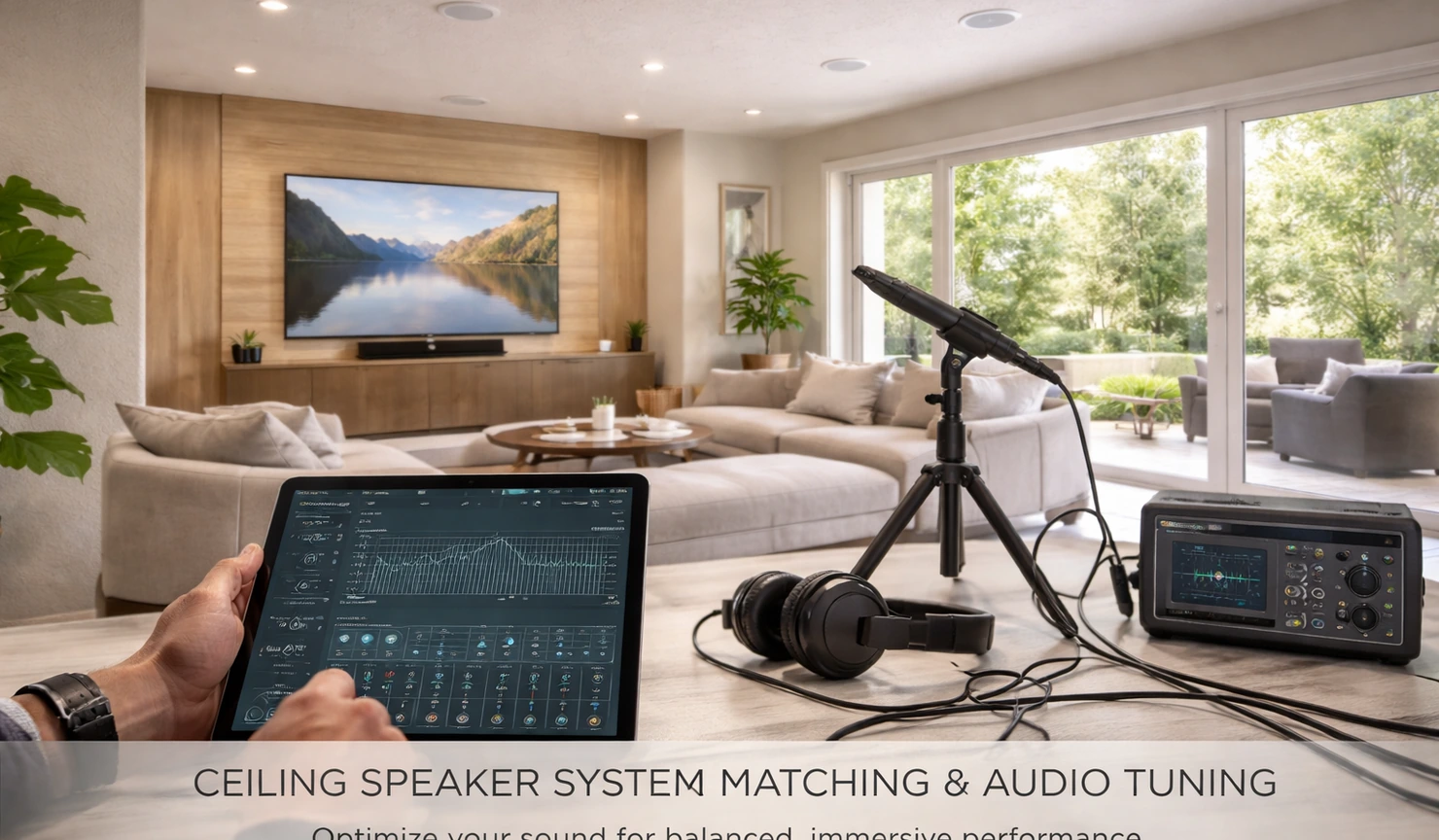
That is where better planning matters. Ceiling speakers can look minimal and perform beautifully, but only when the installation is built around room use, seating position, ceiling construction, amplifier load, wiring routes, and the kind of listening the homeowner expects every day. A layout designed for casual music fill is different from one designed for focused listening. A room that needs TV sound reinforcement is different from a room that is supposed to disappear into the background until guests arrive. Even the same speaker can perform very differently depending on spacing, aiming, power, and how the room surfaces reflect sound.
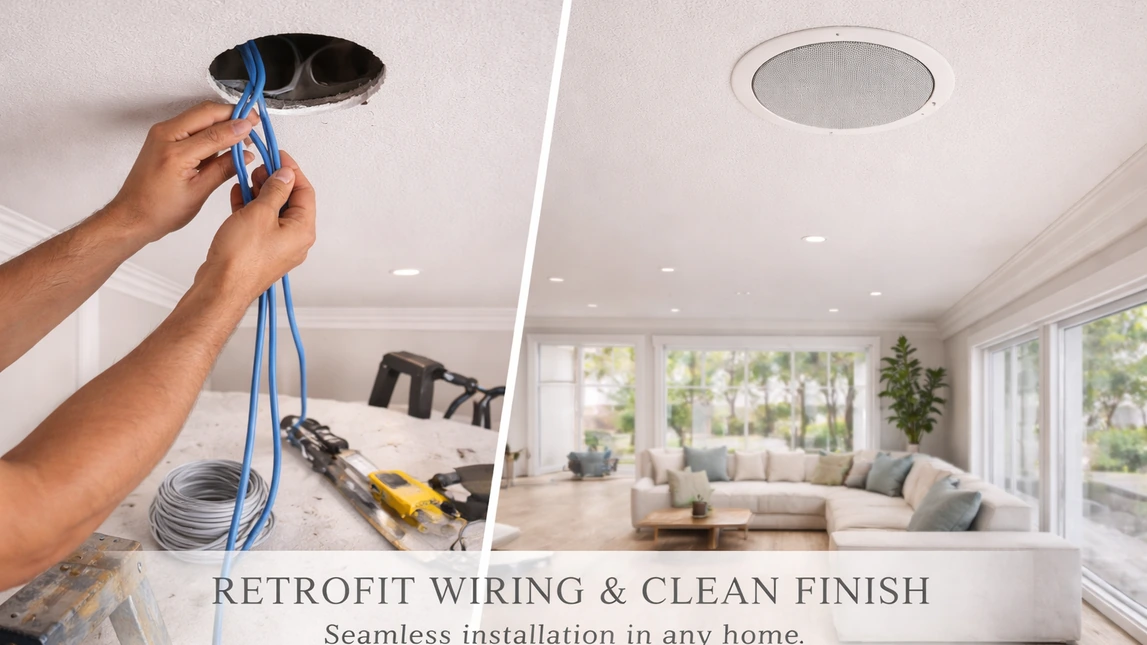
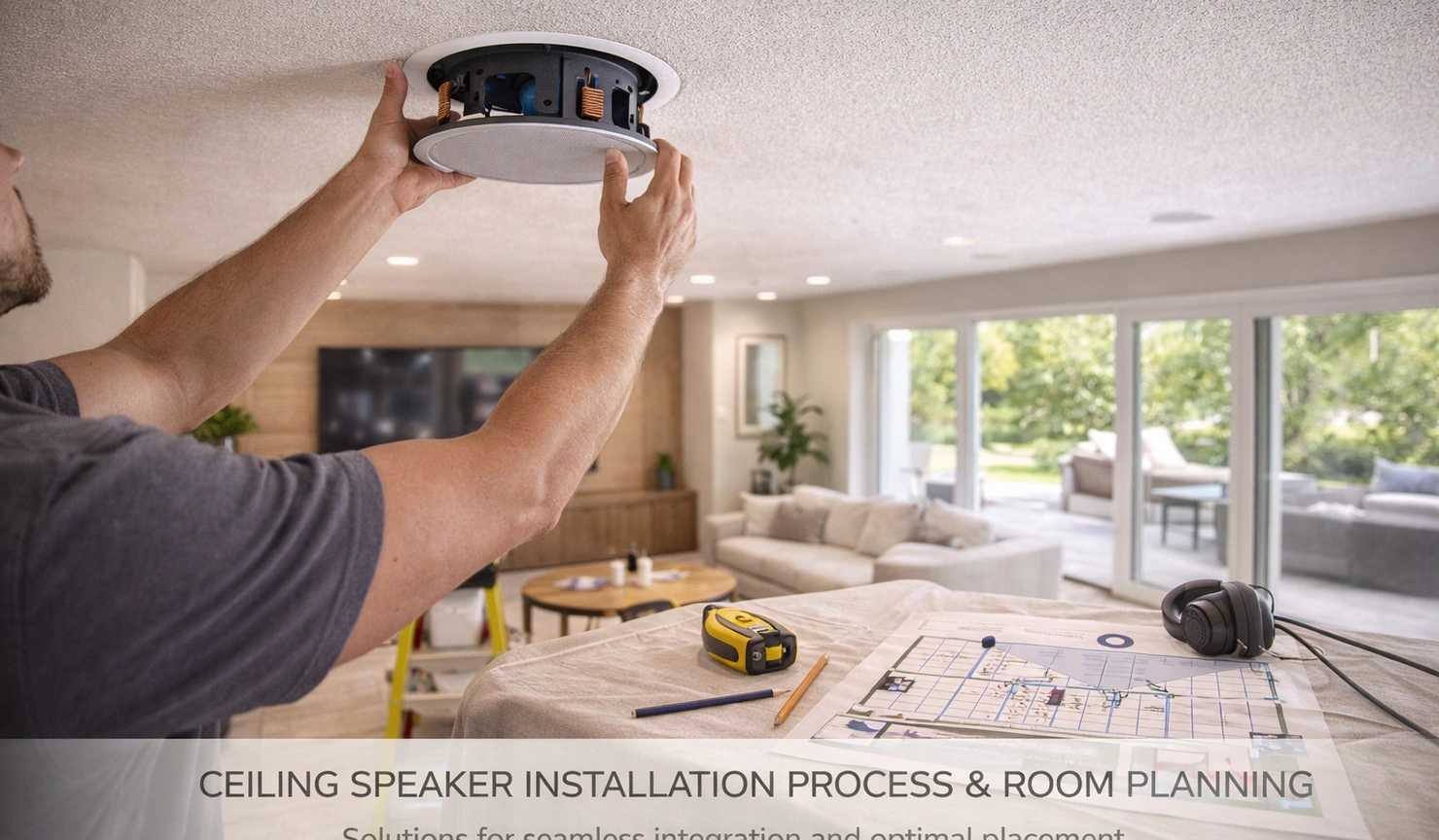
Ceiling speaker installation has to be planned around real room decisions, not just speaker selection. Homeowners need to know whether wires can be hidden cleanly, whether the ceiling has enough depth, whether a retrofit will require visible repair, whether one pair of speakers is enough, whether the system should support TV audio, and whether an open-concept space will sound balanced from everyday listening areas.
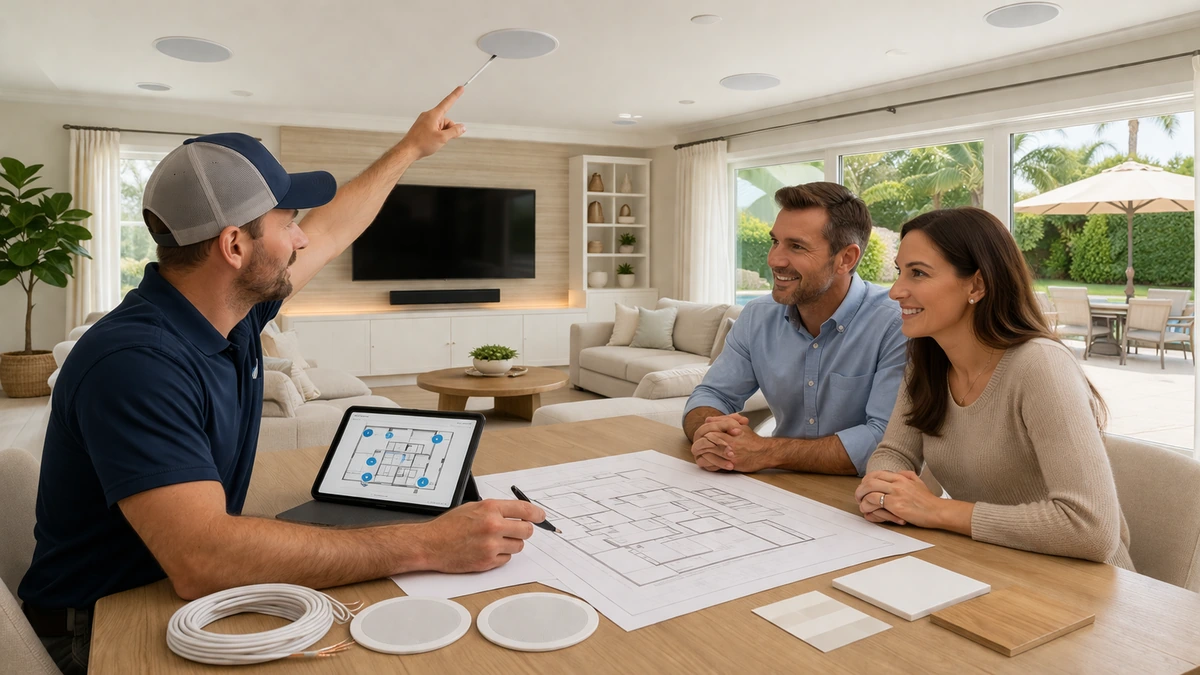
PBCAV approaches those choices room by room before any ceiling cuts are made. That includes speaker positioning, wire-path evaluation, equipment matching, control planning, and an honest recommendation about whether ceiling speakers are the best fit. In some rooms, they are ideal for distributed music and clean aesthetics. In others, they work best as part of a larger system with a subwoofer, soundbar, media rack, or additional architectural speakers.
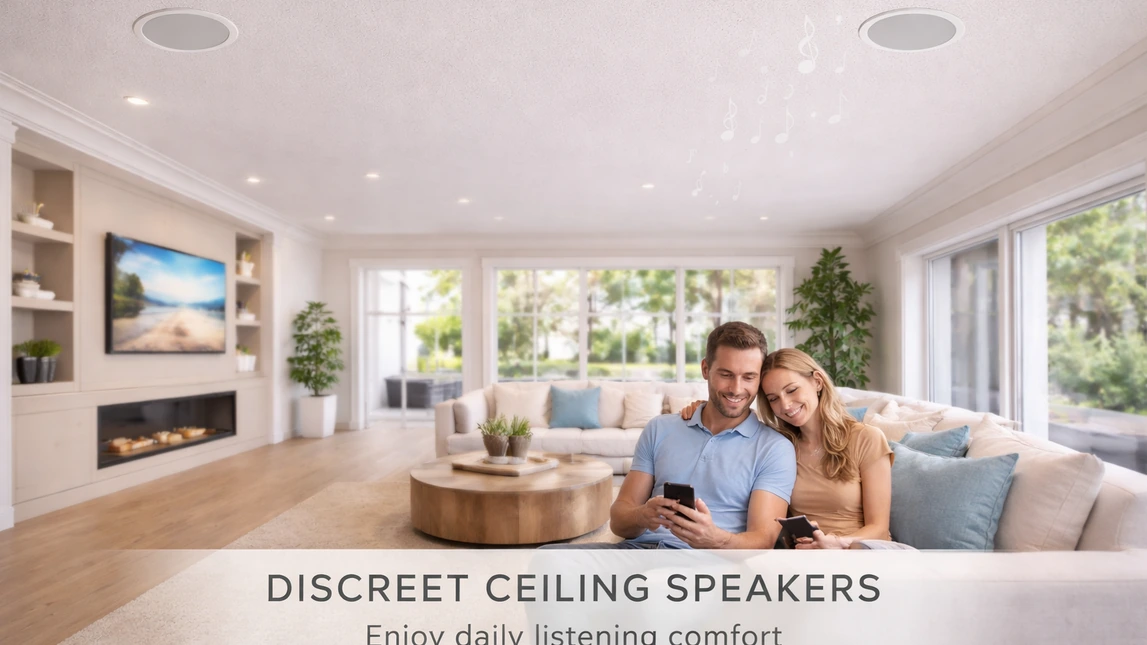
When the plan is right, ceiling speaker installation becomes less about hiding speakers and more about improving how the home sounds day to day. Music coverage feels more even, rooms stay visually calmer, controls become easier to use, and the finished system feels deliberate instead of pieced together.
The goal is to create a system that looks clean, sounds right, and feels easy to live with. Music coverage should feel even, rooms should stay visually calmer, controls should be easier to use, and the equipment choices should make sense for how the space is actually used.