Marine Systems That Sound Better, Work Better, And Hold Up Better
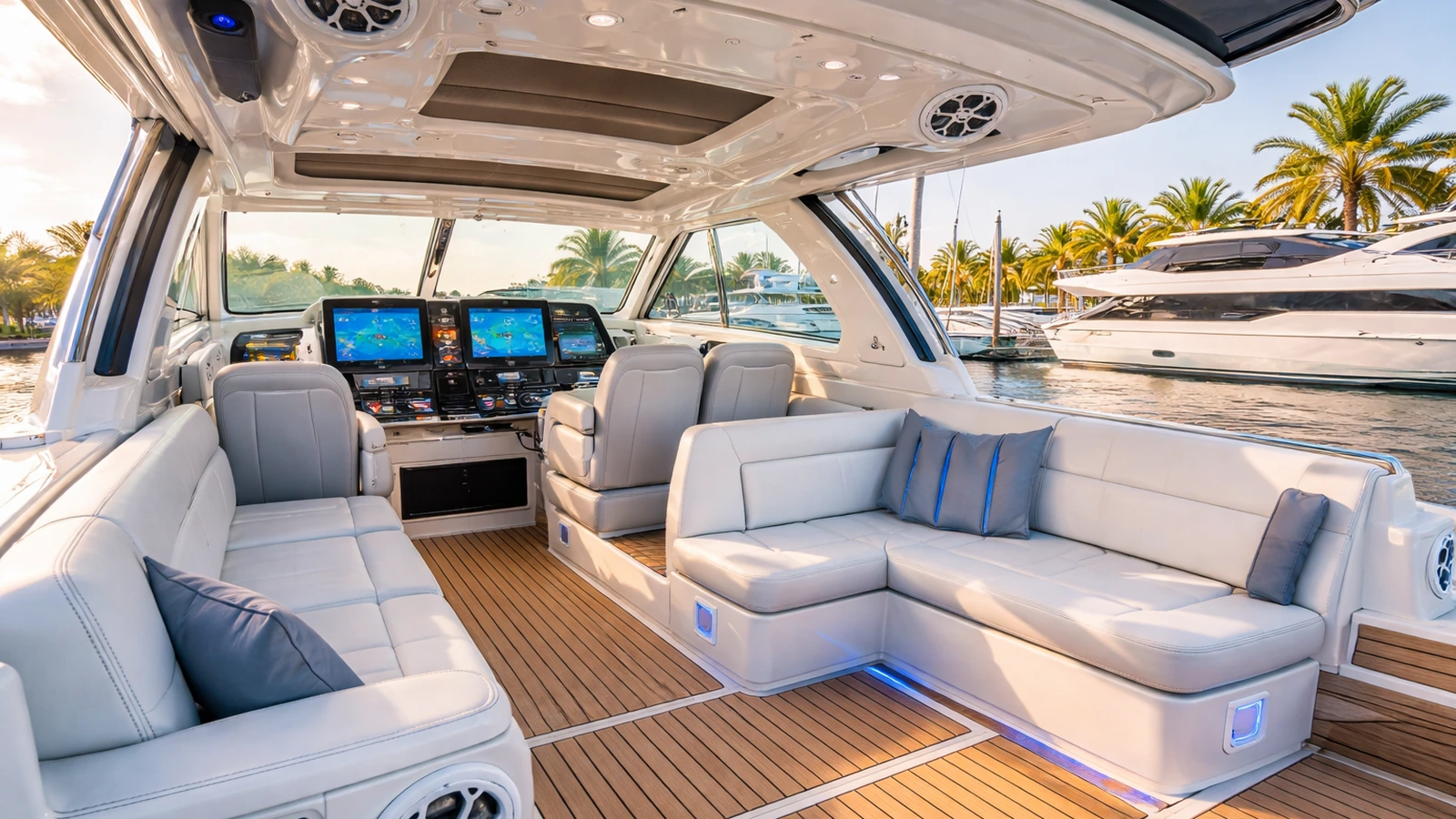
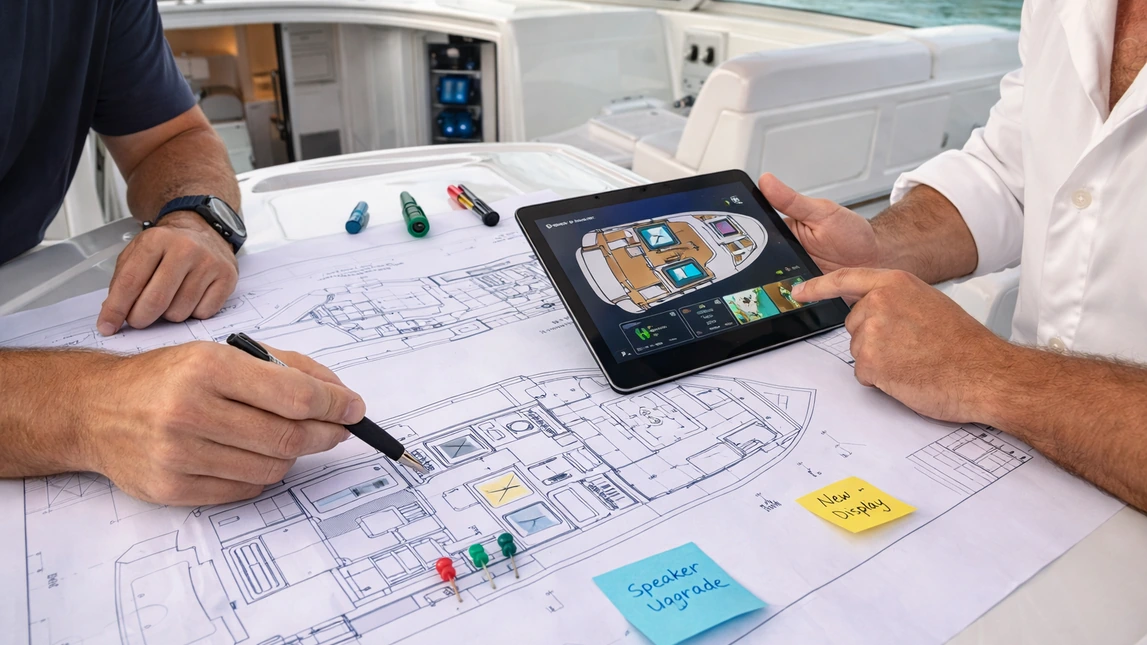
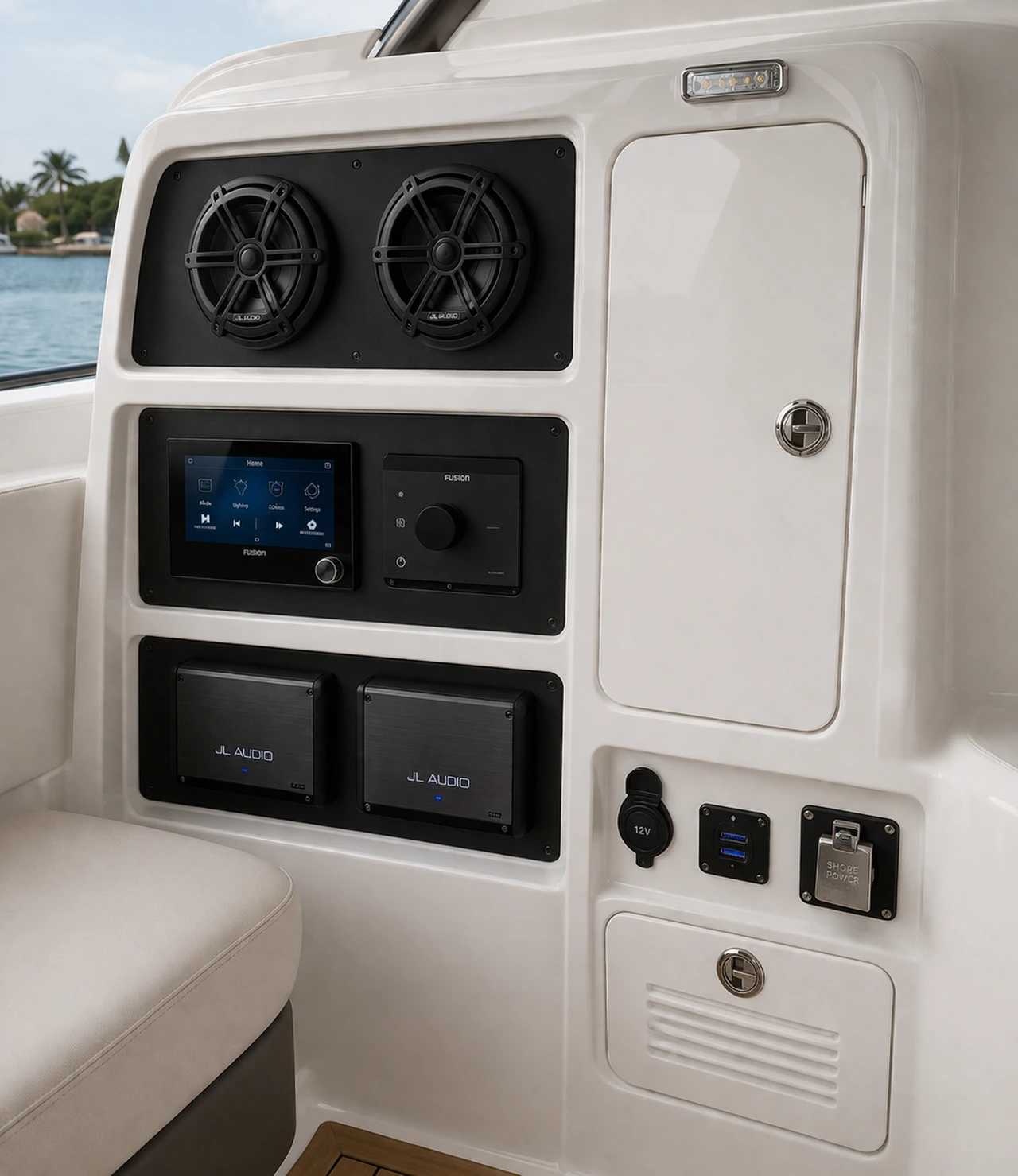
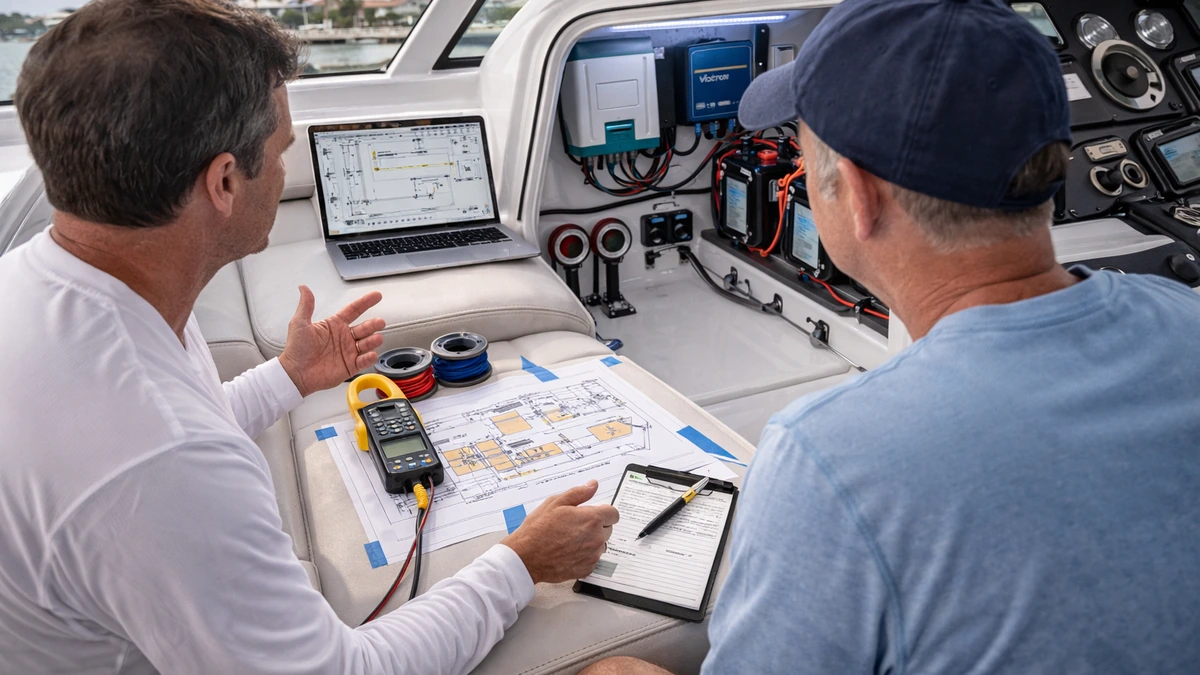
Marine audio and electronics installation is different from almost every other type of AV work because the environment is harder on every component and every connection. A boat can look simple from the outside, but behind the panels there are real limitations around moisture, UV exposure, electrical load, available mounting depth, service access, and the way sound behaves in an open-air environment. That is why a marine upgrade should not begin with a random list of products. It should begin with how the boat is used, where people sit or stand, what needs to be controlled from the helm, how much output is actually needed underway, and what level of finish will make the system feel like it belongs on the vessel instead of looking added later.
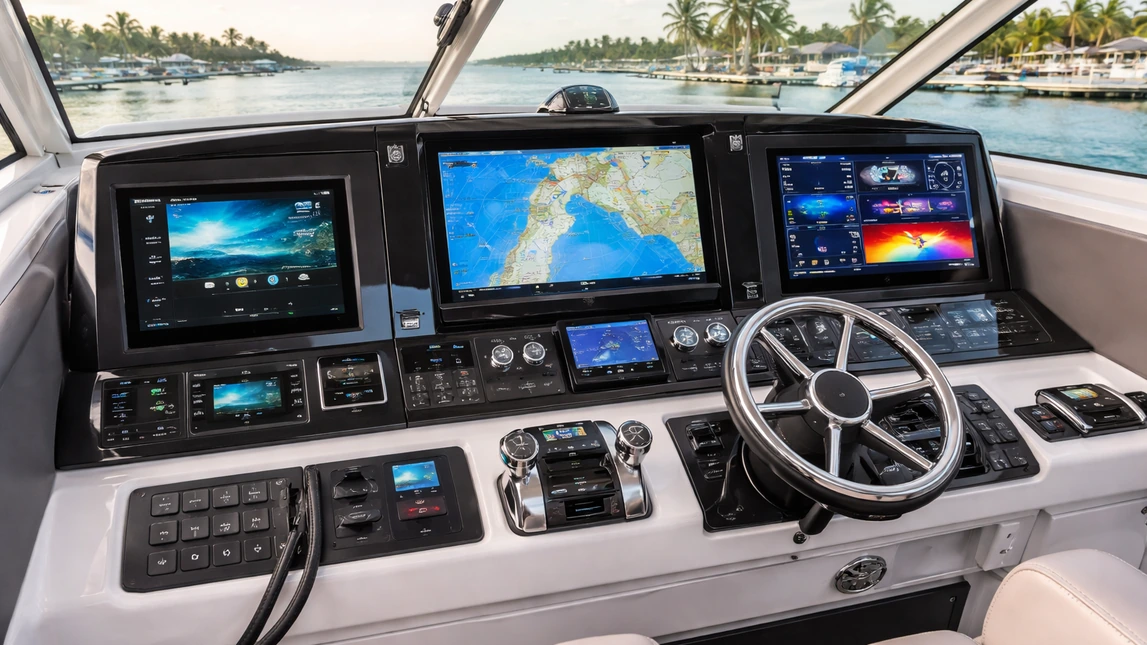
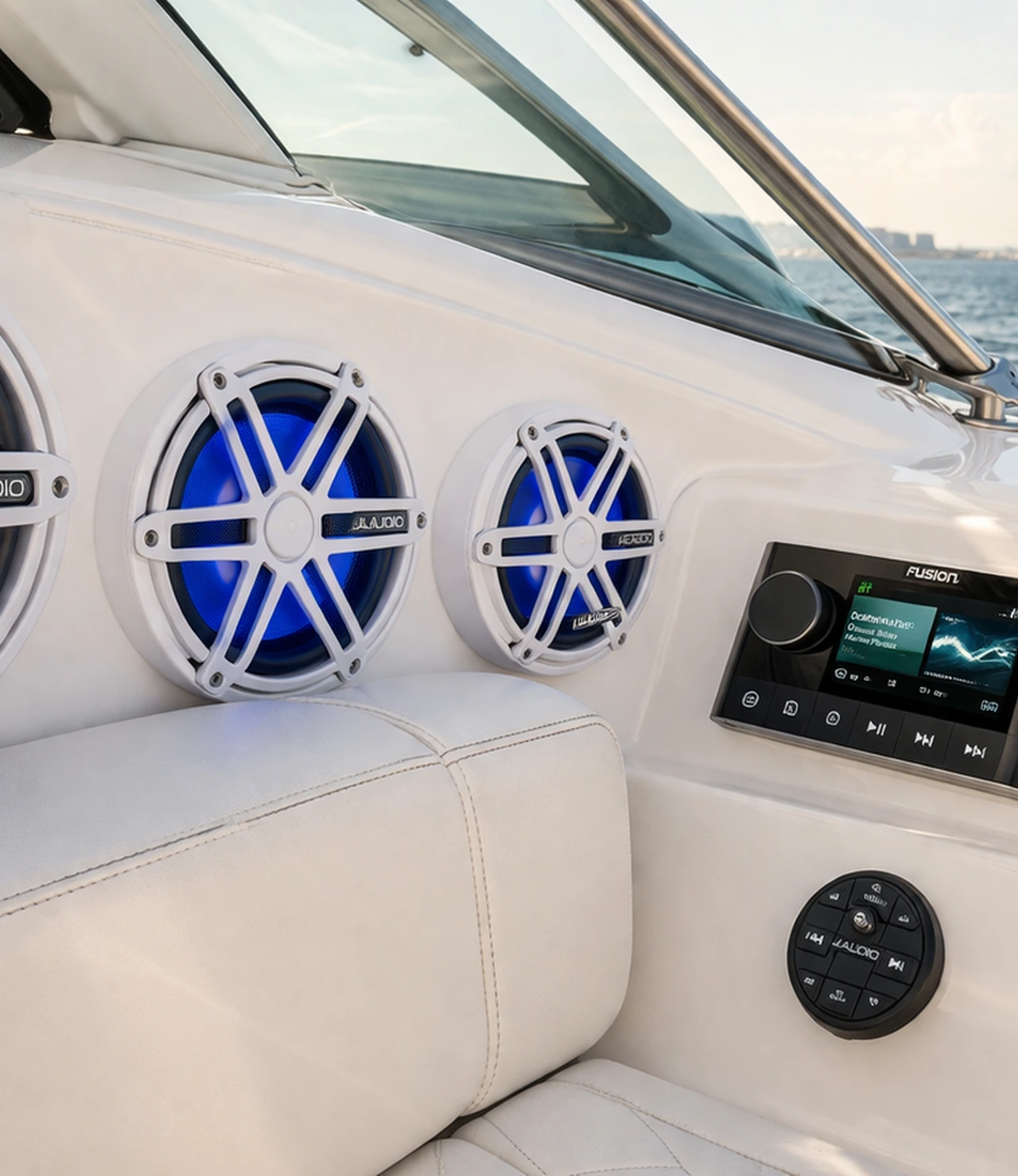
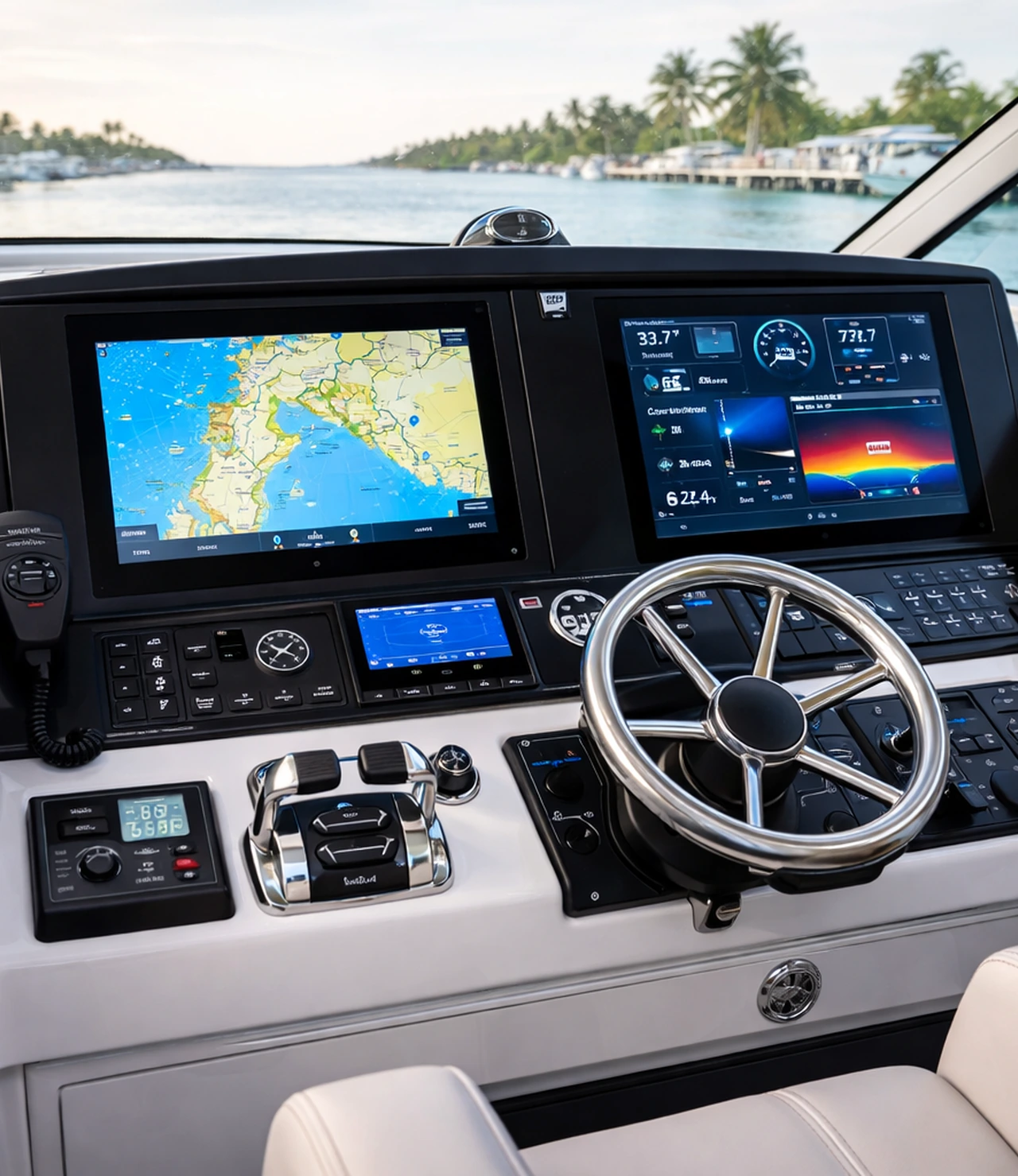
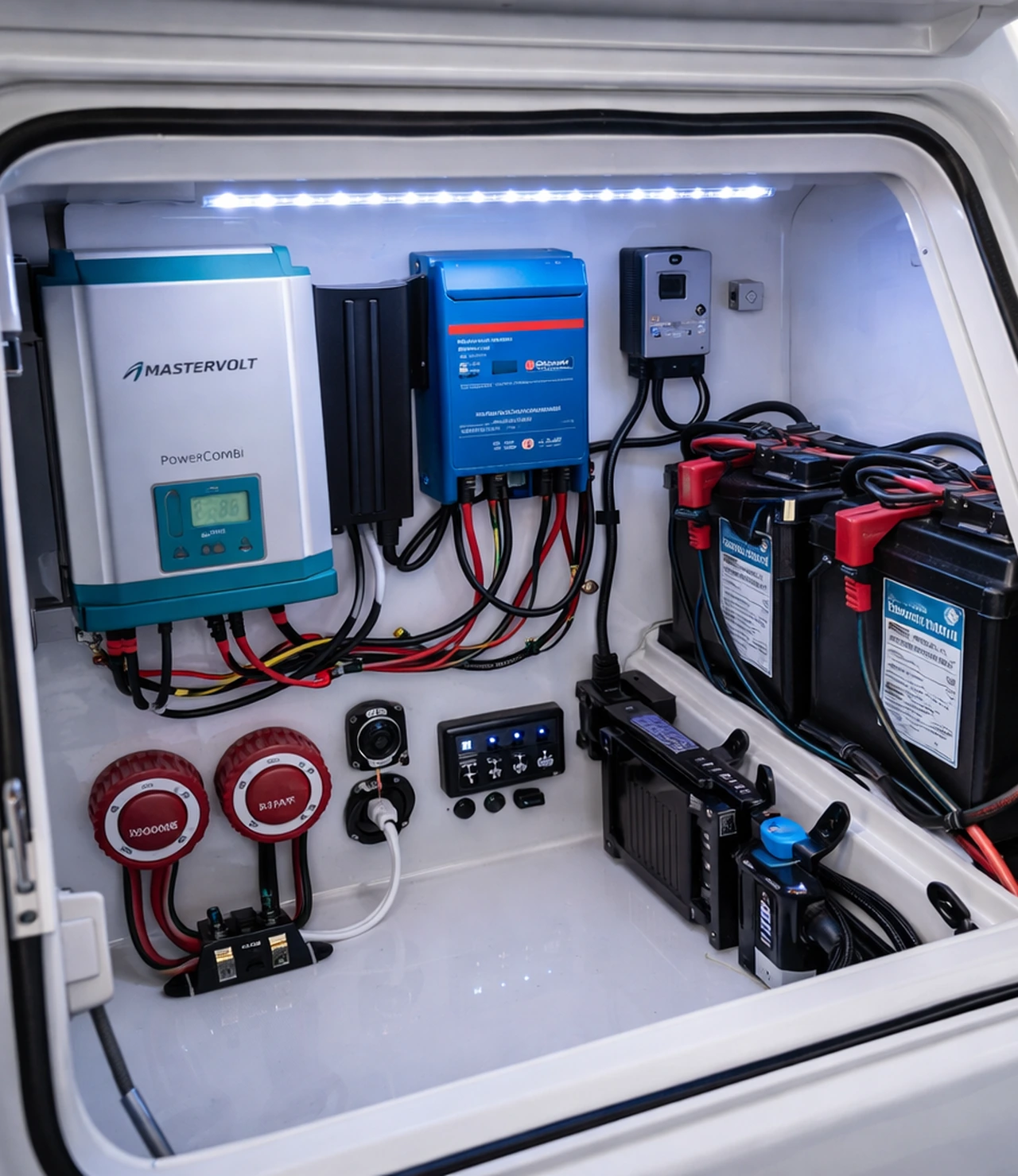
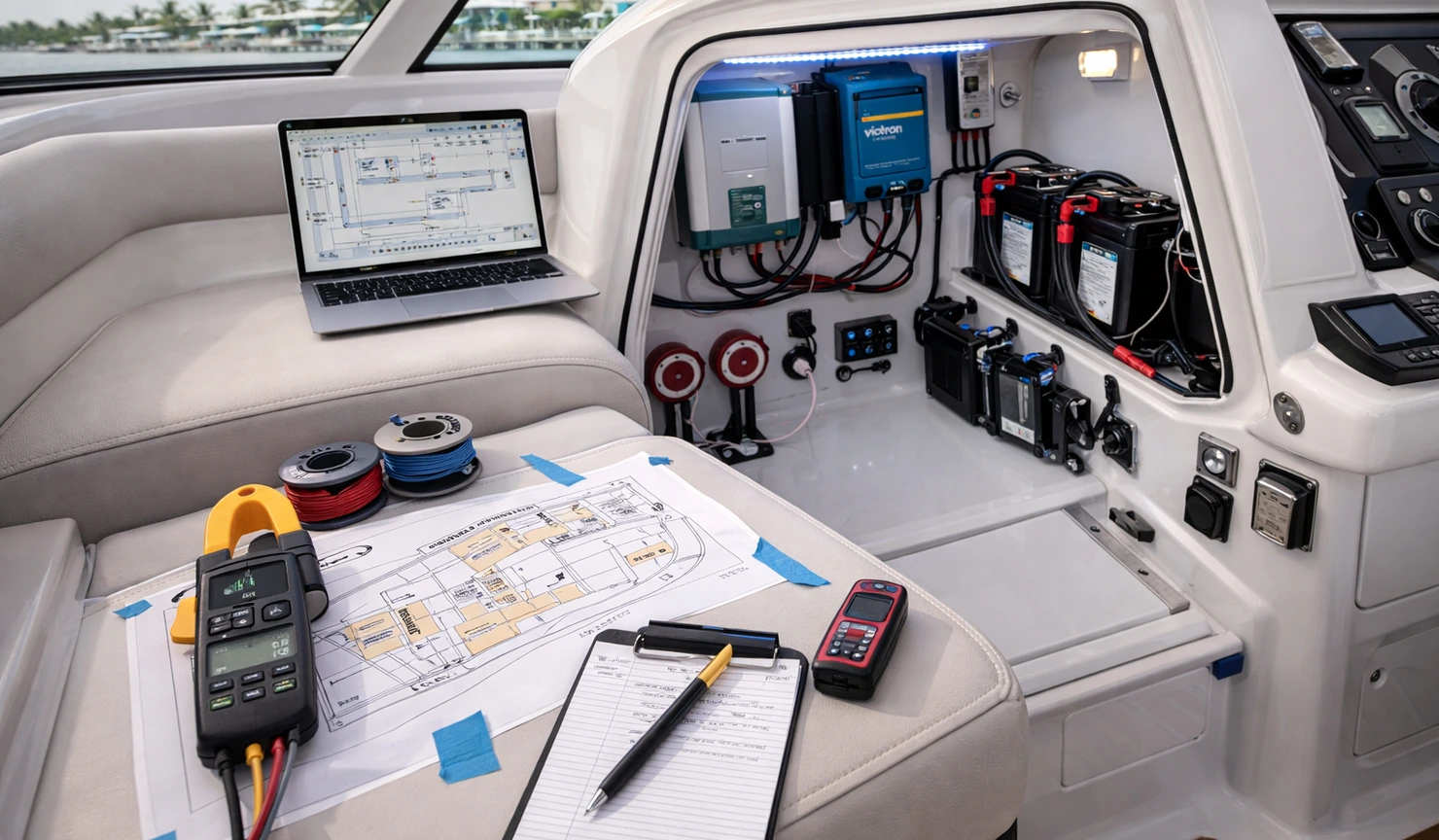
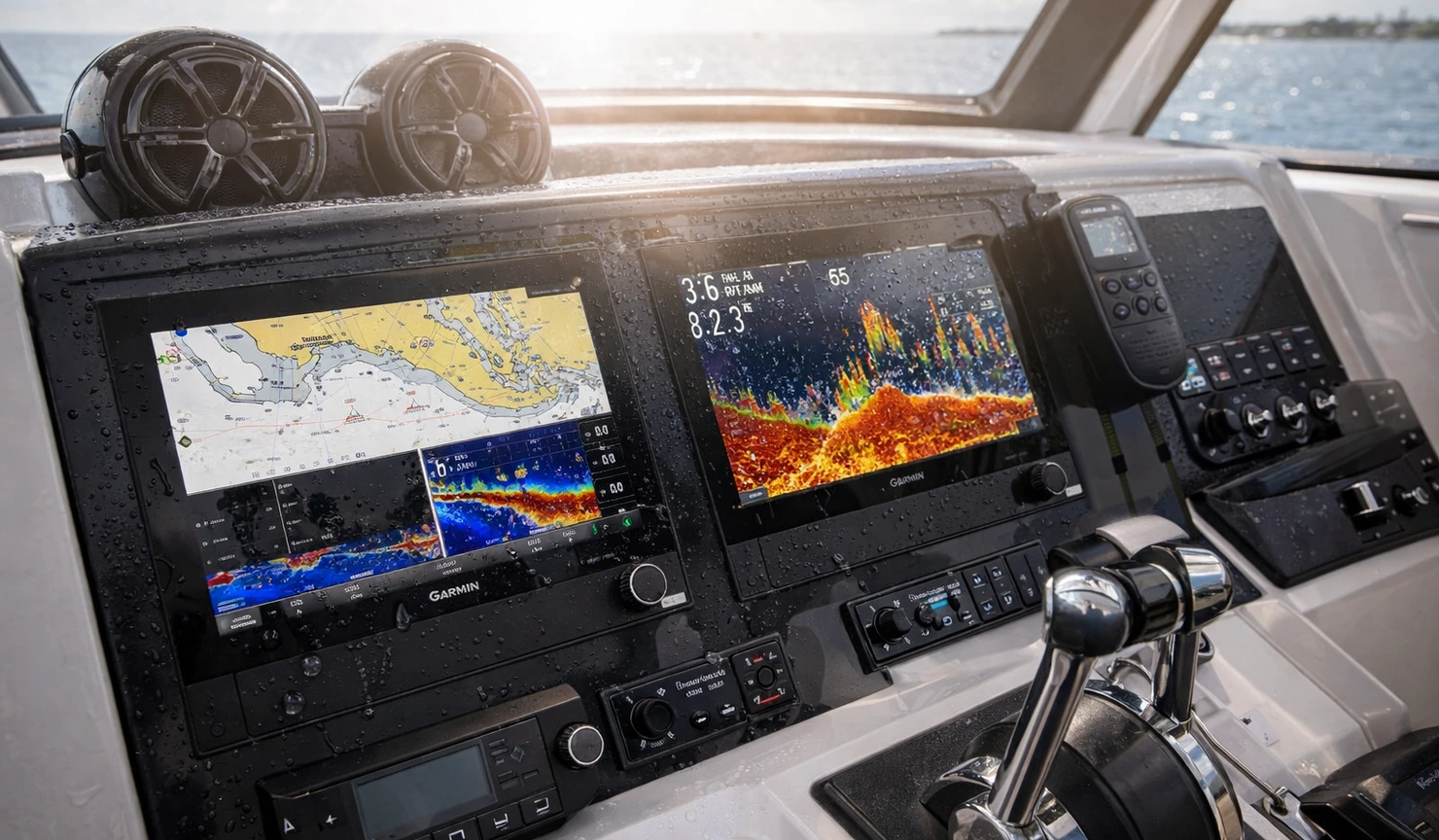
For many owners, the real goal is not just louder music. It is having music that stays clean at cruising speed, helm electronics that are easier to see and trust, controls that make sense when family or guests are aboard, and an installation that does not create future headaches. That may mean replacing aging speakers and amplifiers, adding a better marine source unit, improving battery and power distribution, integrating chartplotters or fishfinder displays, cleaning up old wiring, or planning a larger refit that brings audio, navigation, communication, lighting, and charging into a more cohesive setup.
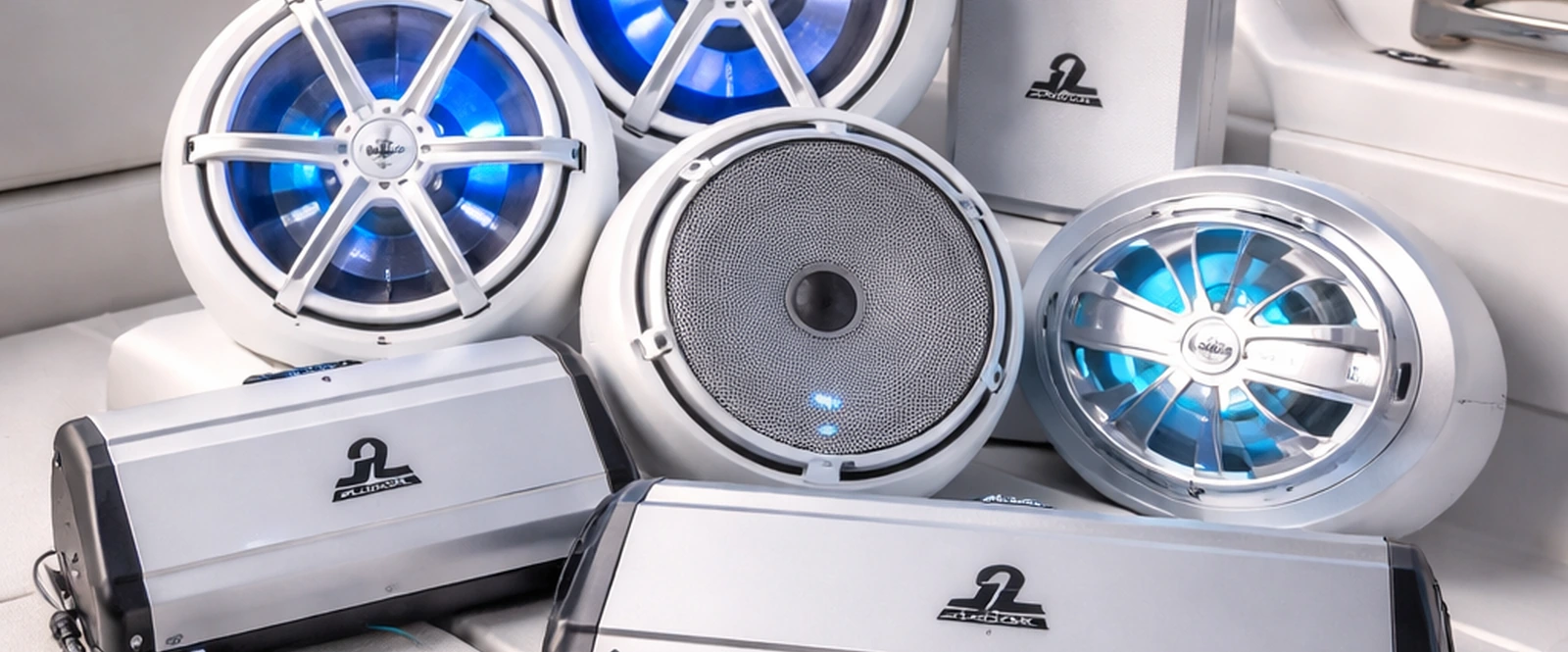
A strong marine installation balances performance with restraint. Speaker count alone does not create a better system, and a bigger screen does not always create a better helm. Good results come from placement, power, mounting, wiring discipline, corrosion-conscious hardware choices, and thoughtful interface planning. A boat owner should be able to walk aboard, turn the system on, understand what is happening, and enjoy the result without fighting through cluttered controls, harsh sound, dim displays, or wiring that was hidden only until the first service visit.
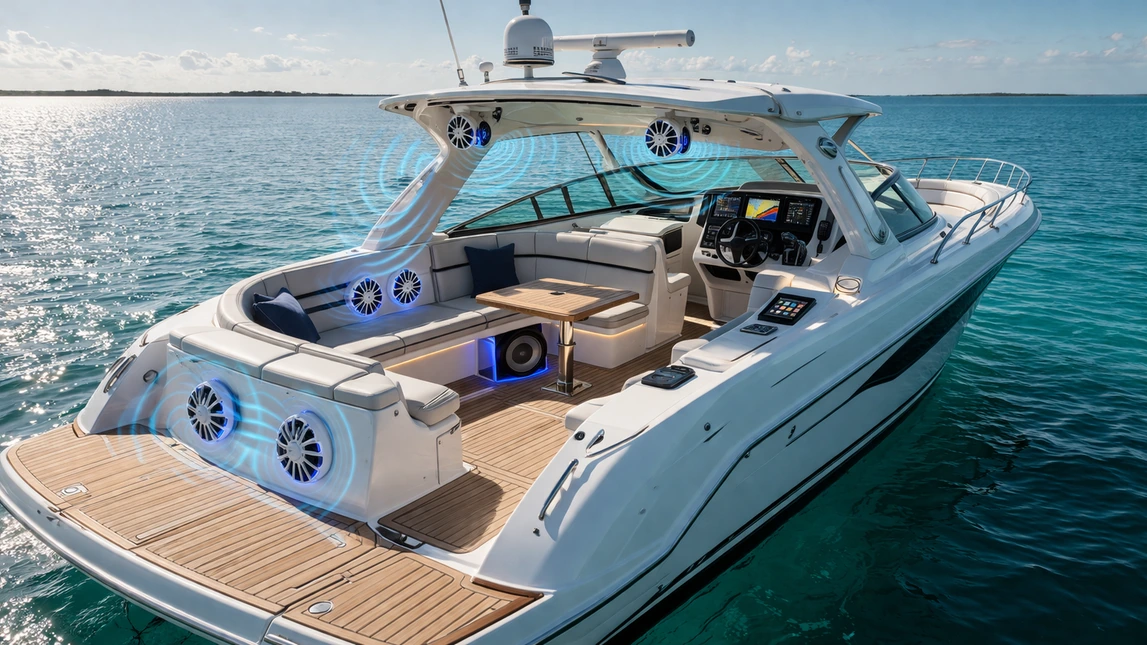
That is why this type of project works best when the installation is built around the vessel and the owner instead of around a one-size-fits-all package. Some boats need more output in the cockpit and transom area. Some need better speech clarity at the helm and simpler source selection. Some need navigation and sonar upgrades with better screen visibility and cleaner network planning. Others need a full cleanup of previous work so the next round of upgrades starts from a reliable foundation. The right path depends on how you boat, who uses the vessel, and what has been frustrating you about the current setup.
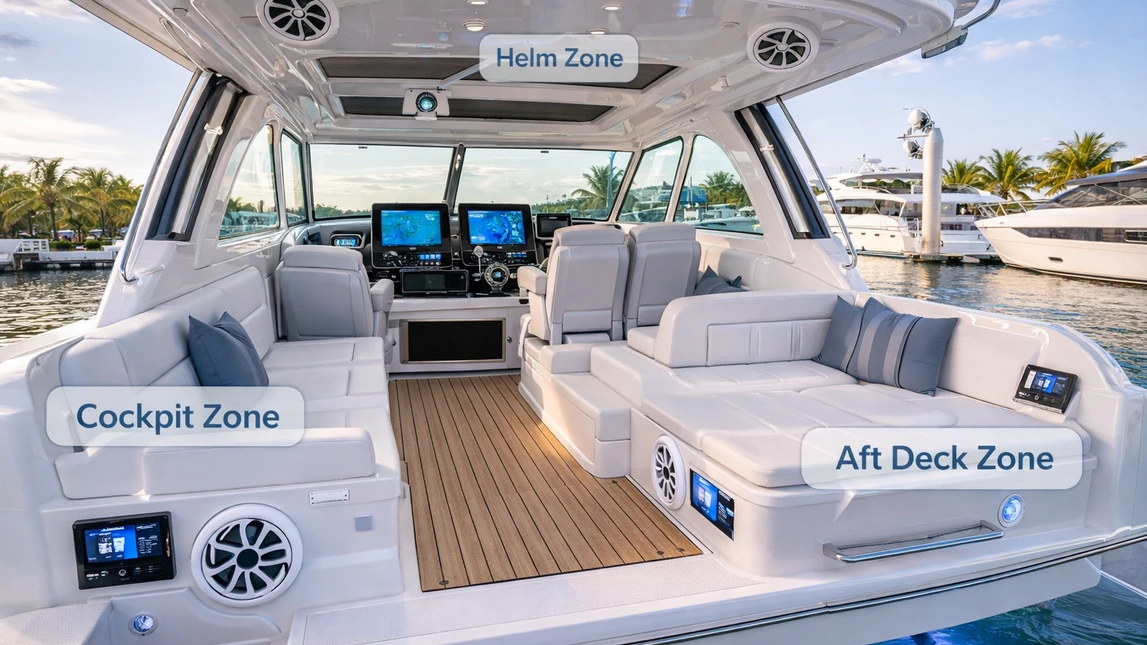
PBCAV approaches marine projects with that bigger picture in mind. The goal is to help create a boat that sounds better, works better, and feels more finished every time you leave the dock. That can include audio tuning, marine-grade wiring practices, helm display integration, accessory control, and practical planning for future expansion so your system is not boxed in the moment you decide to add another zone, another display, or another layer of control.