Sonos installation should make the system sound better and feel easier to live with
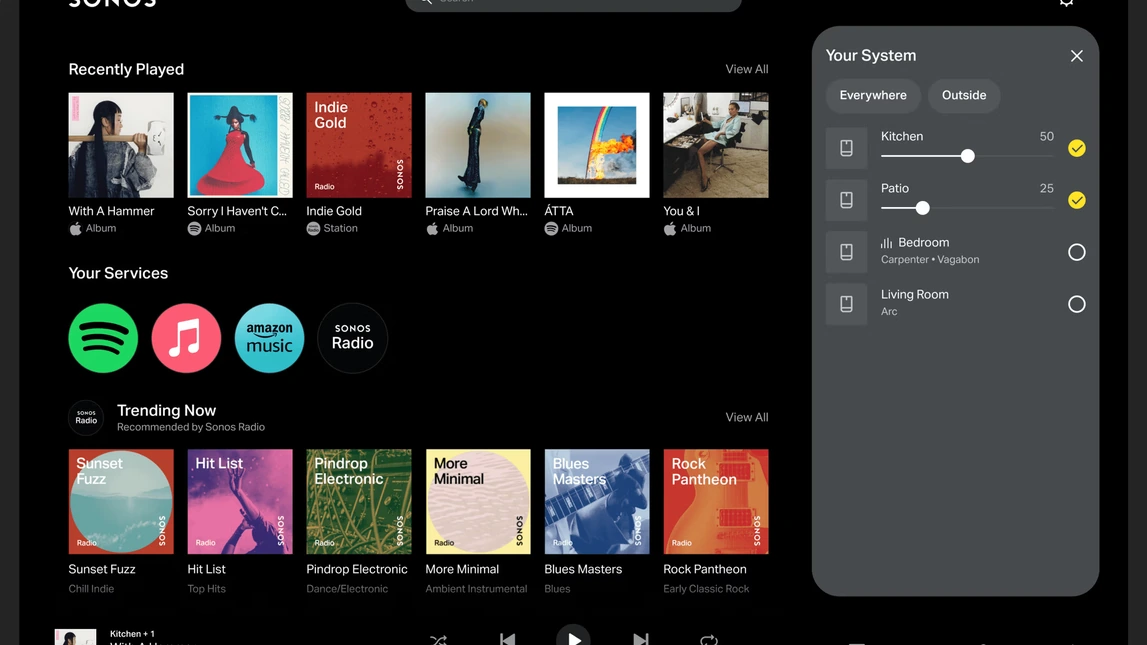
A lot of Sonos projects start after the products are already in the home. A homeowner may own a Beam, Arc, Era speaker, Sub, Amp, Port, or a mix of Sonos components and still need help turning those pieces into a system that works the way it should. That usually means more than plugging in a speaker and opening an app: it means deciding where speakers should go, how rooms should be grouped, how TV audio should behave, how outdoor or architectural zones should be powered, and how daily control should feel straightforward for everyone in the house. A strong Sonos installation service has to close the gap between owning good equipment and actually enjoying it every day.
Palm Beach Custom AV can help homeowners build a Sonos system around real listening habits instead of guesswork. In some homes, the priority is a more polished TV and surround experience in the main living area. In others, it is reliable whole-home music across the kitchen, patio, primary suite, office, and entertaining spaces. Some projects involve expanding an existing system that has slowly grown room by room. Others involve integrating Sonos into a broader smart home or clean-sheet renovation where speaker placement, wiring, rack space, and finish quality all matter from the start. The work should feel intentional, not pieced together.
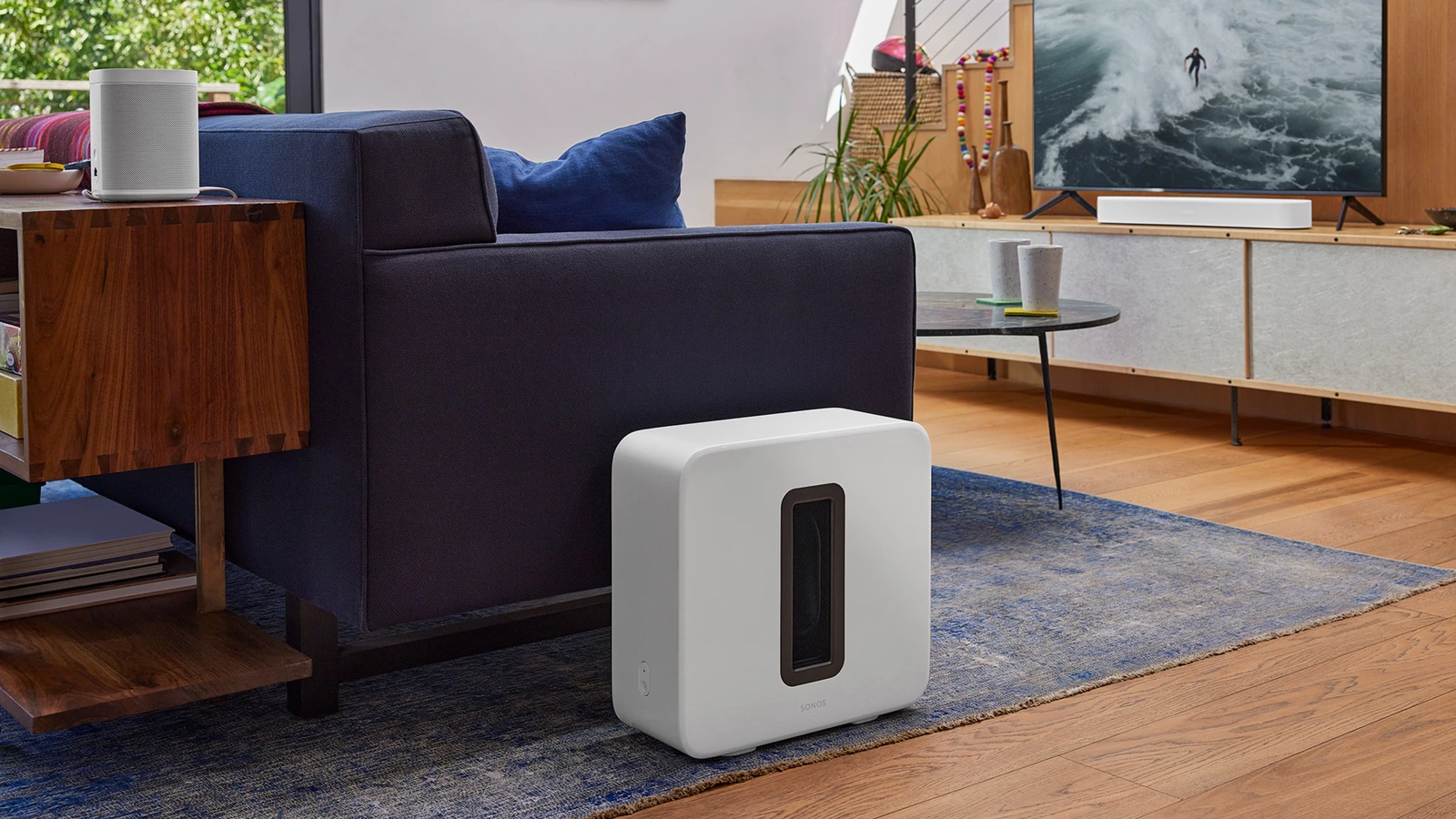
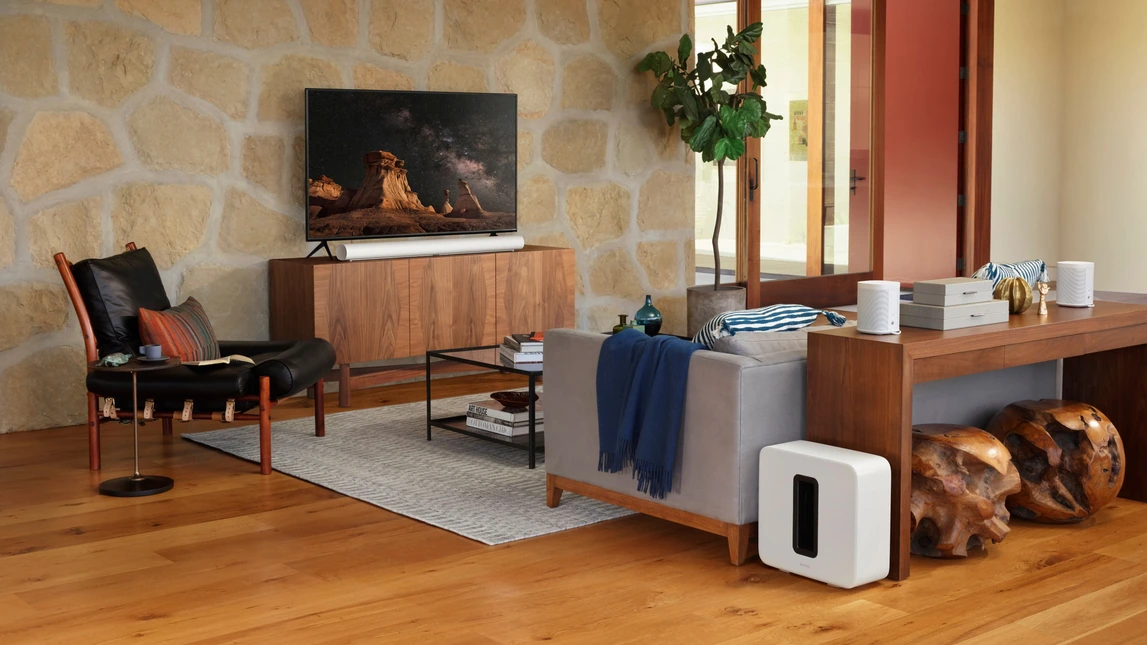
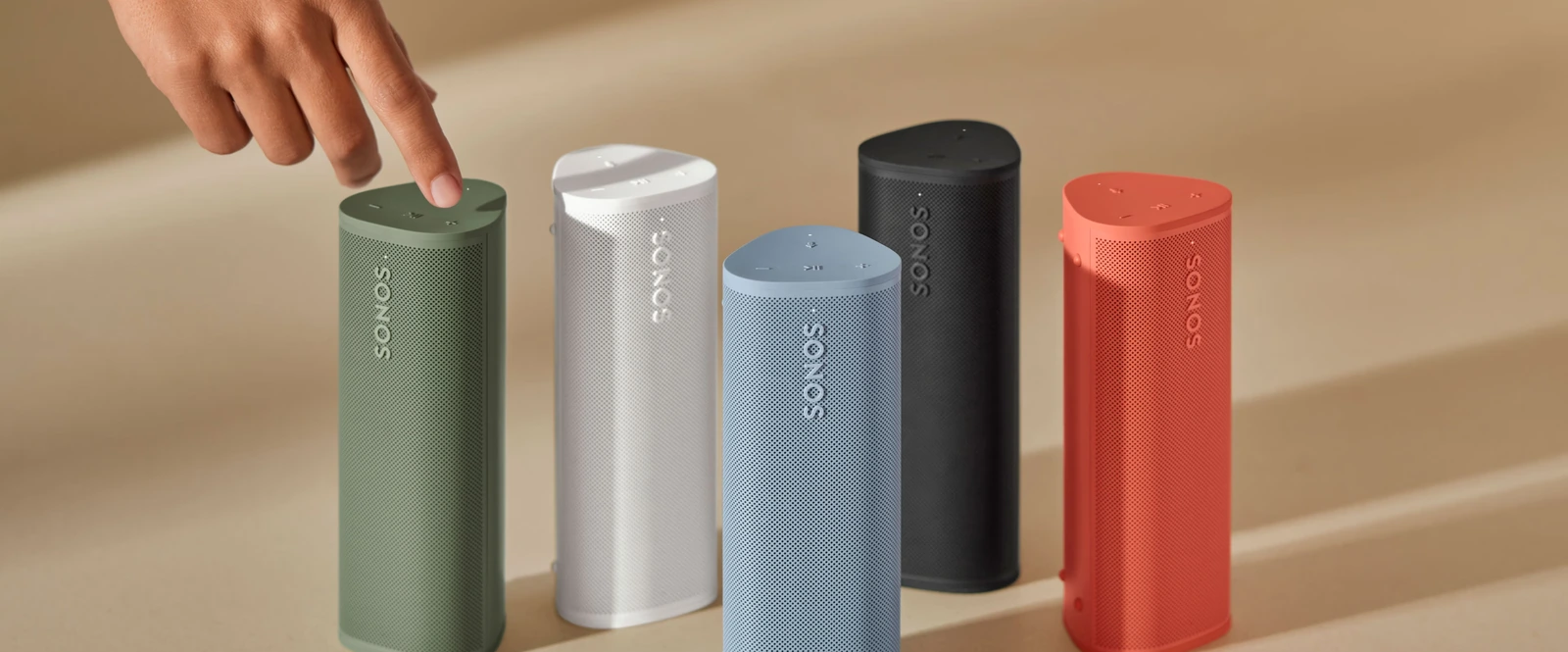
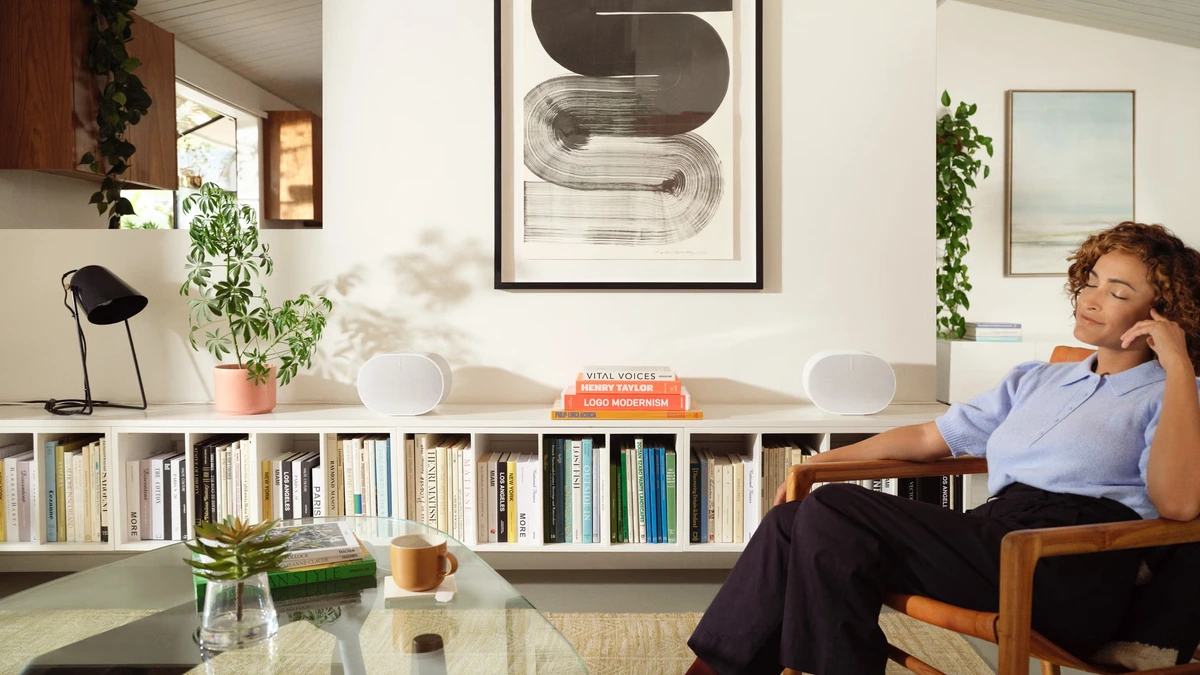
Sonos is appealing because it can support wireless speakers, soundbars, subwoofers, stereo pairs, home theater rooms, and products like Amp or Port that connect Sonos to wired speakers and existing audio gear. Sonos also supports app-based setup and system control, while features like Trueplay tuning are designed to tune supported products for the room. That flexibility is a major advantage, but it is also where many installations begin to drift. Poor placement, weak network conditions, awkward room grouping, and unclear control planning can leave a premium system feeling inconsistent. Good installation helps prevent that outcome before it becomes the homeowner’s daily frustration.
Many Sonos projects start with a clear goal but an incomplete setup. A homeowner may want stronger TV sound in the family room, music in more areas of the house, a better outdoor listening zone, or a cleaner way to connect passive speakers through Sonos Amp. Others already own several Sonos products but want the system reorganized after a move, remodel, new television, or partial DIY install. In every case, the real value comes from making the system feel more polished, more dependable, and easier to expand without turning everyday use into a chore.
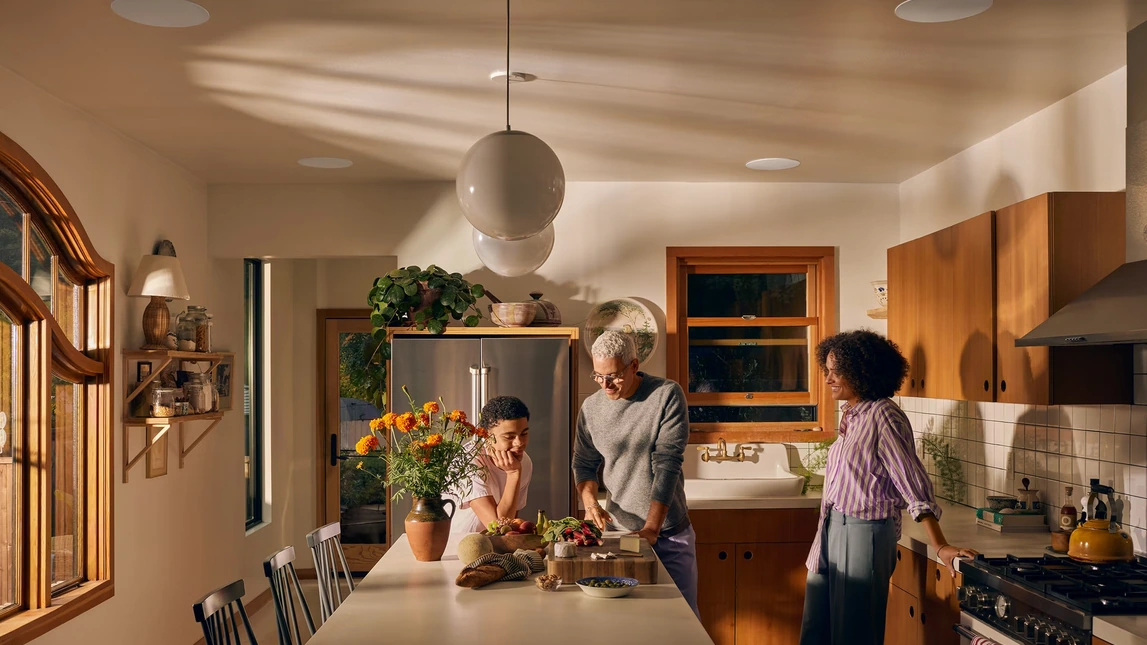
A well-finished Sonos installation usually includes room and zone planning, app setup, TV integration, surround pairing, subwoofer setup, outdoor audio strategy, and support for architectural speakers where the home calls for a more discreet look. The system should be easy to navigate, consistent from room to room, and ready for future additions without needing to be reworked every time the homeowner wants to grow it.