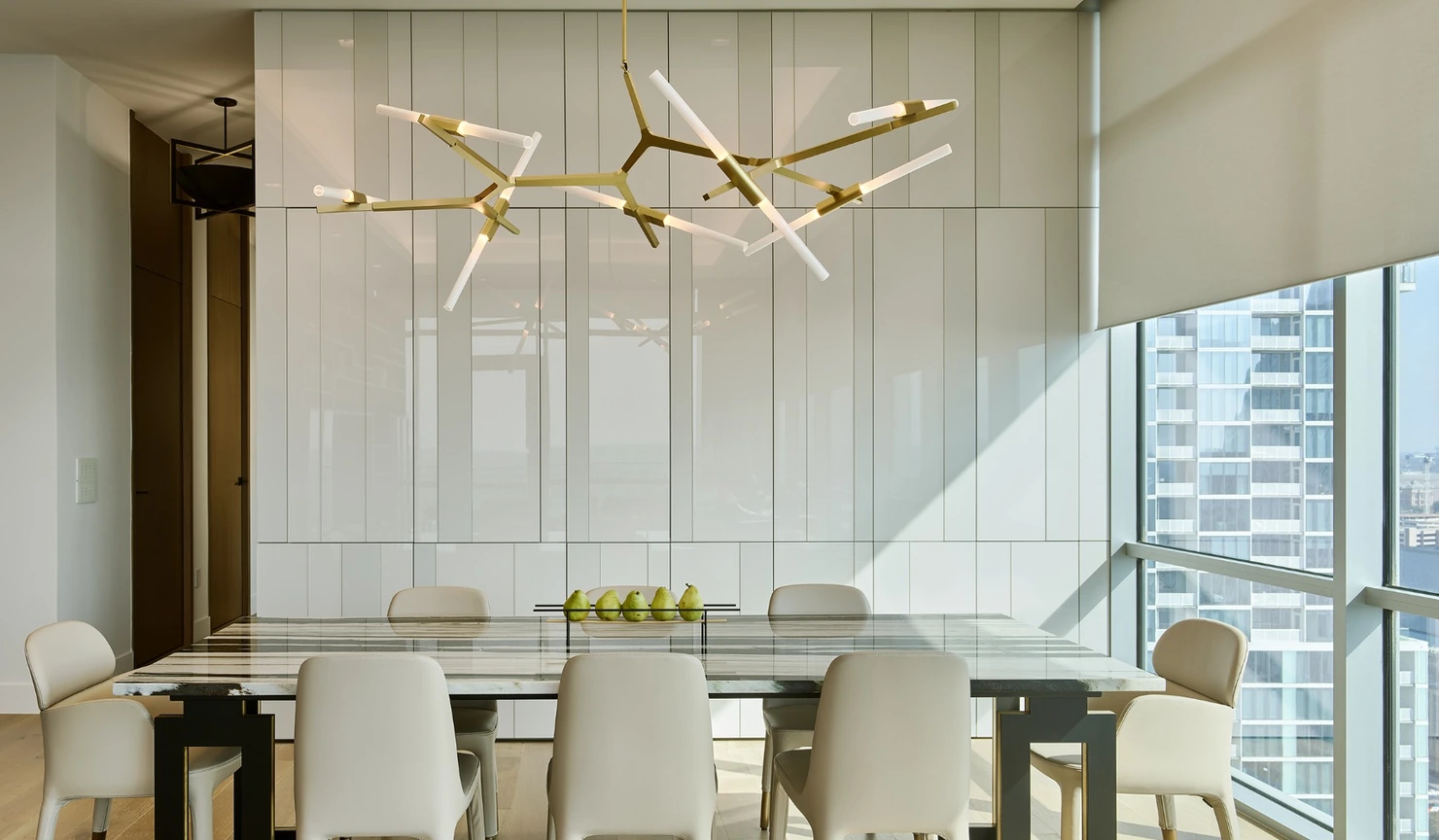
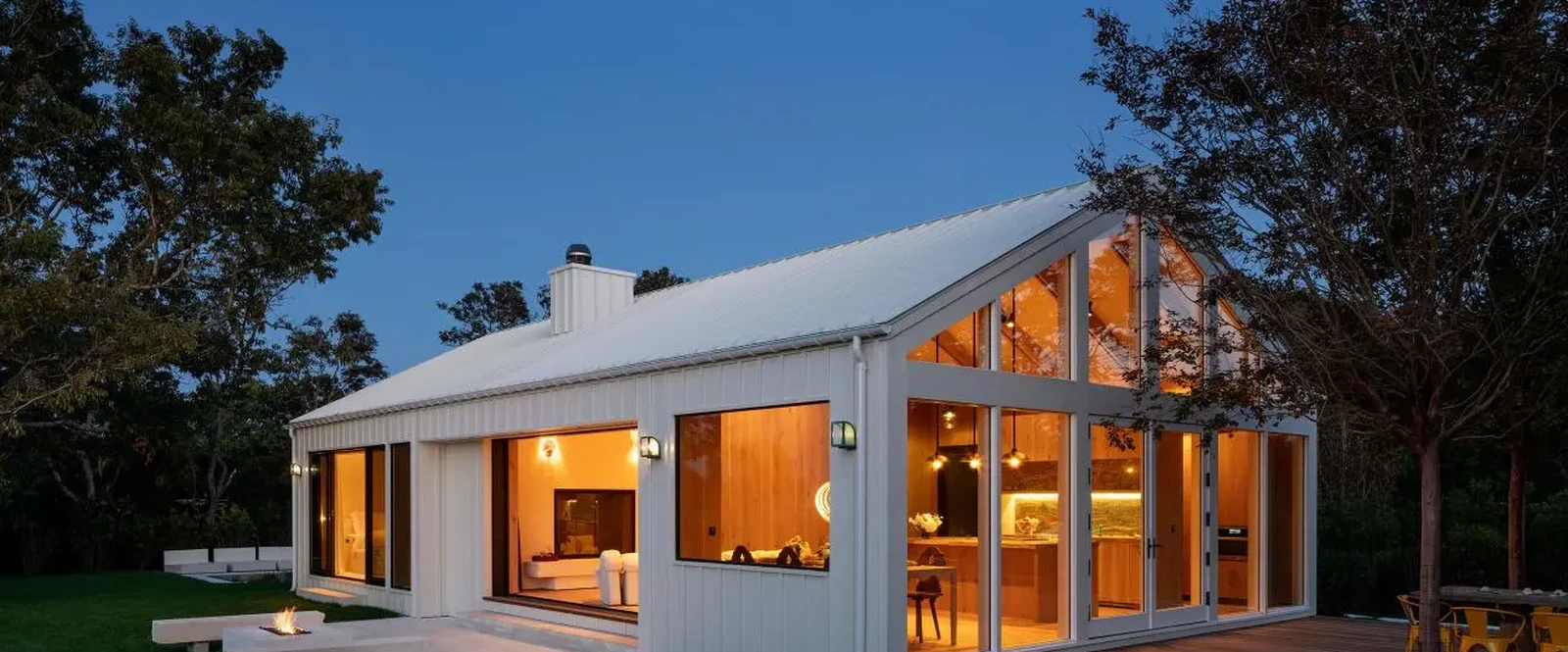
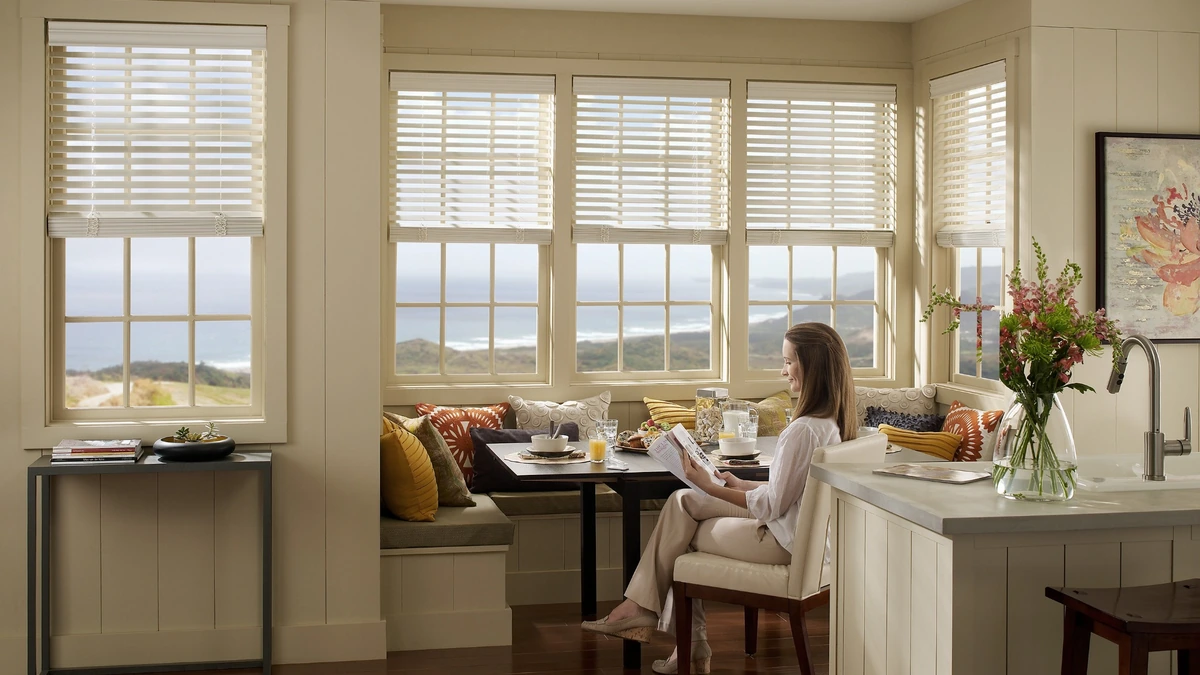
Lutron Installation Designed Around the Way the Home Actually Works
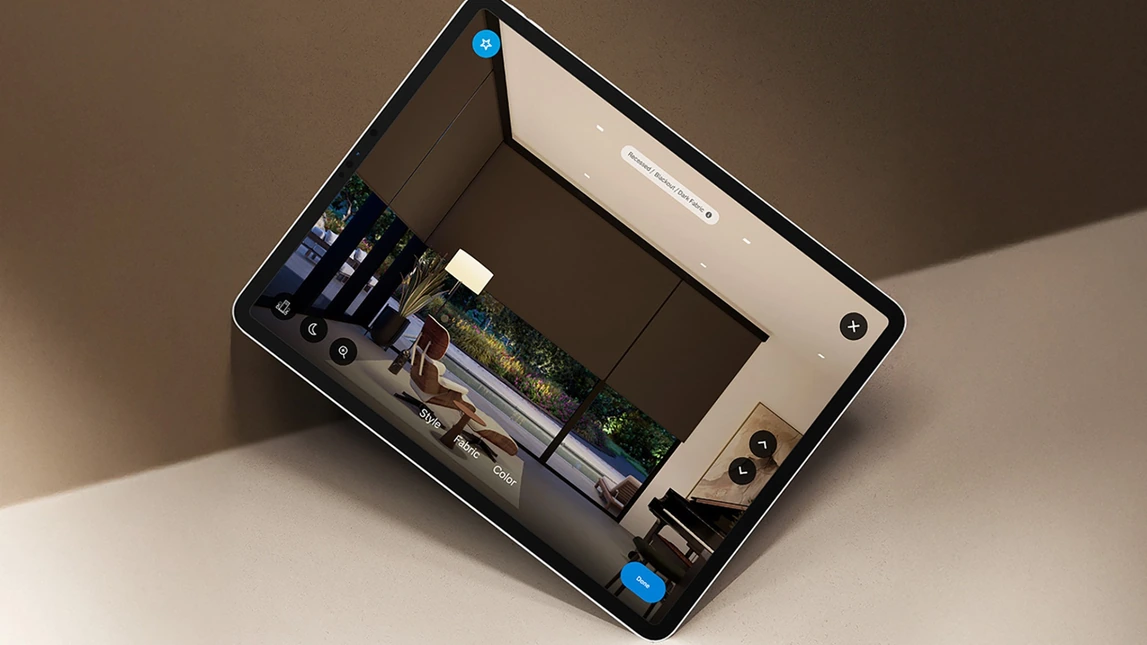
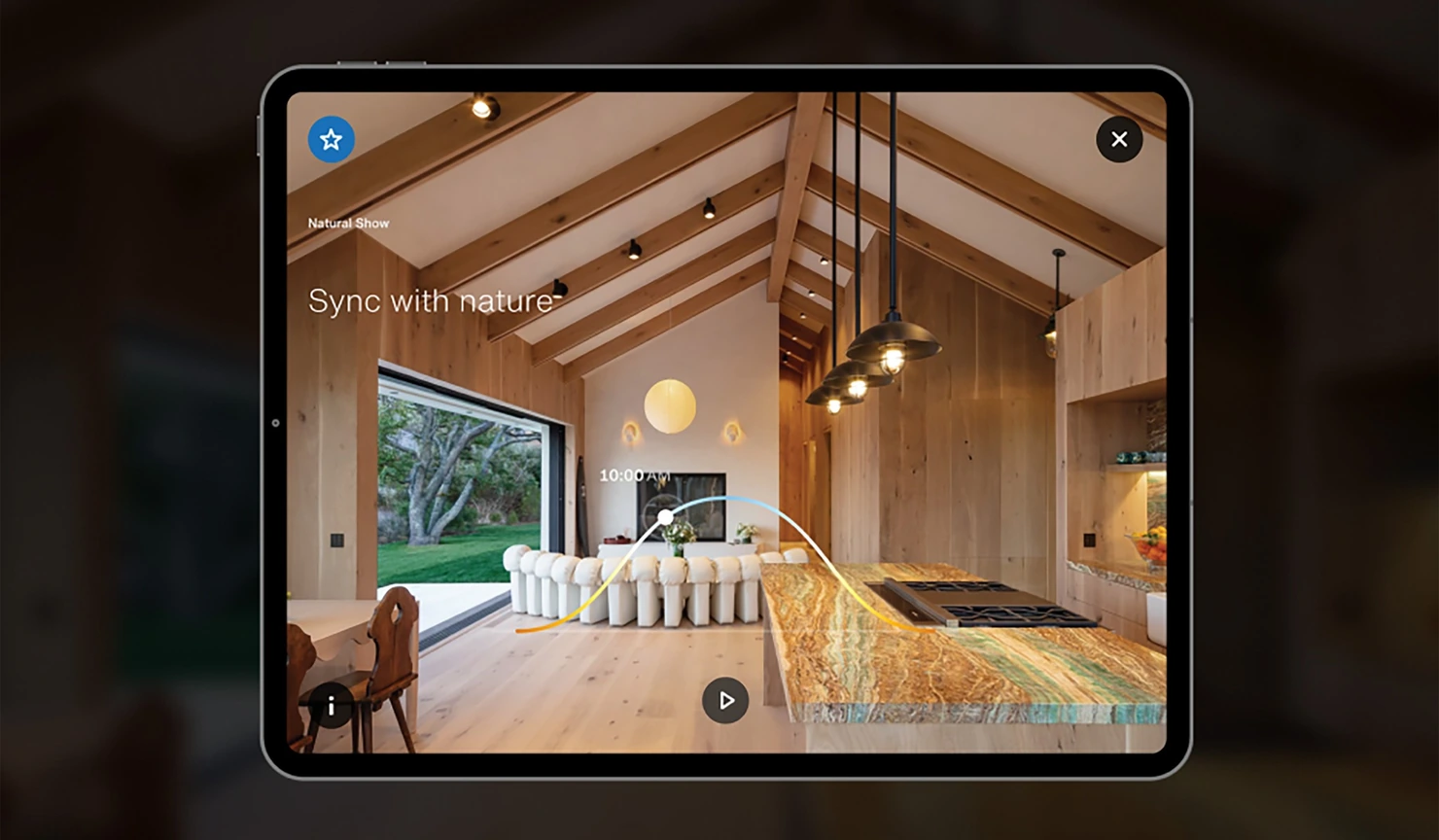
A Lutron installation usually starts when the homeowner already wants better lighting control, automated shades, or a cleaner way to manage scenes throughout the home. The real decision is not just which Lutron hardware to install. It is how the system should be designed so lighting, shades, keypads, app control, and daily routines feel consistent and polished throughout the home.
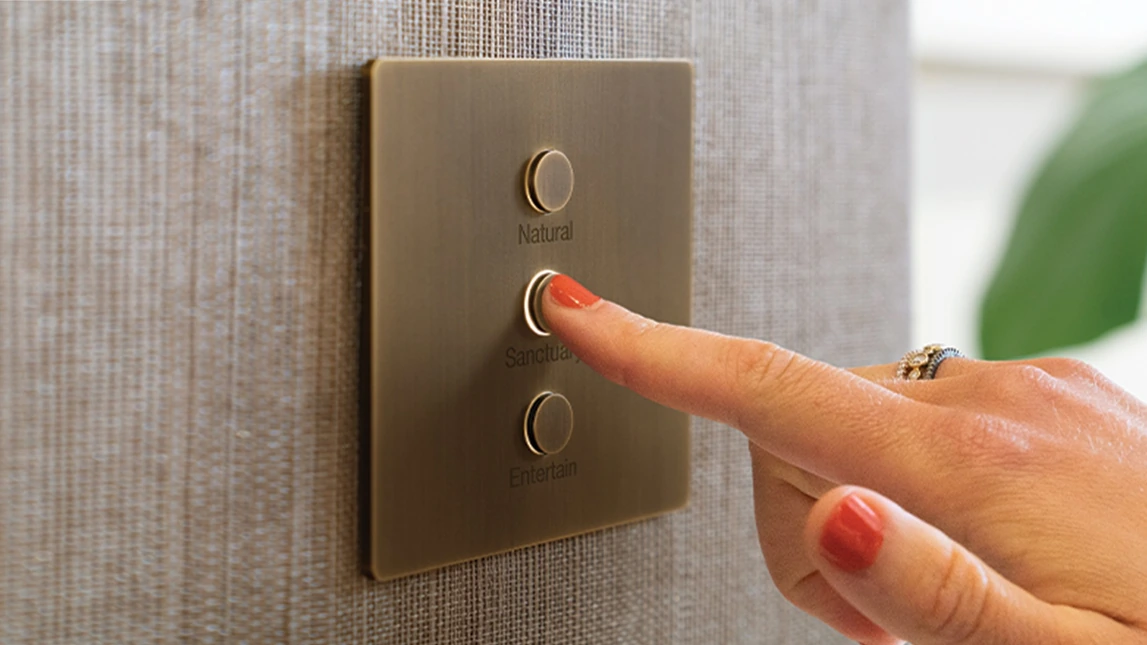
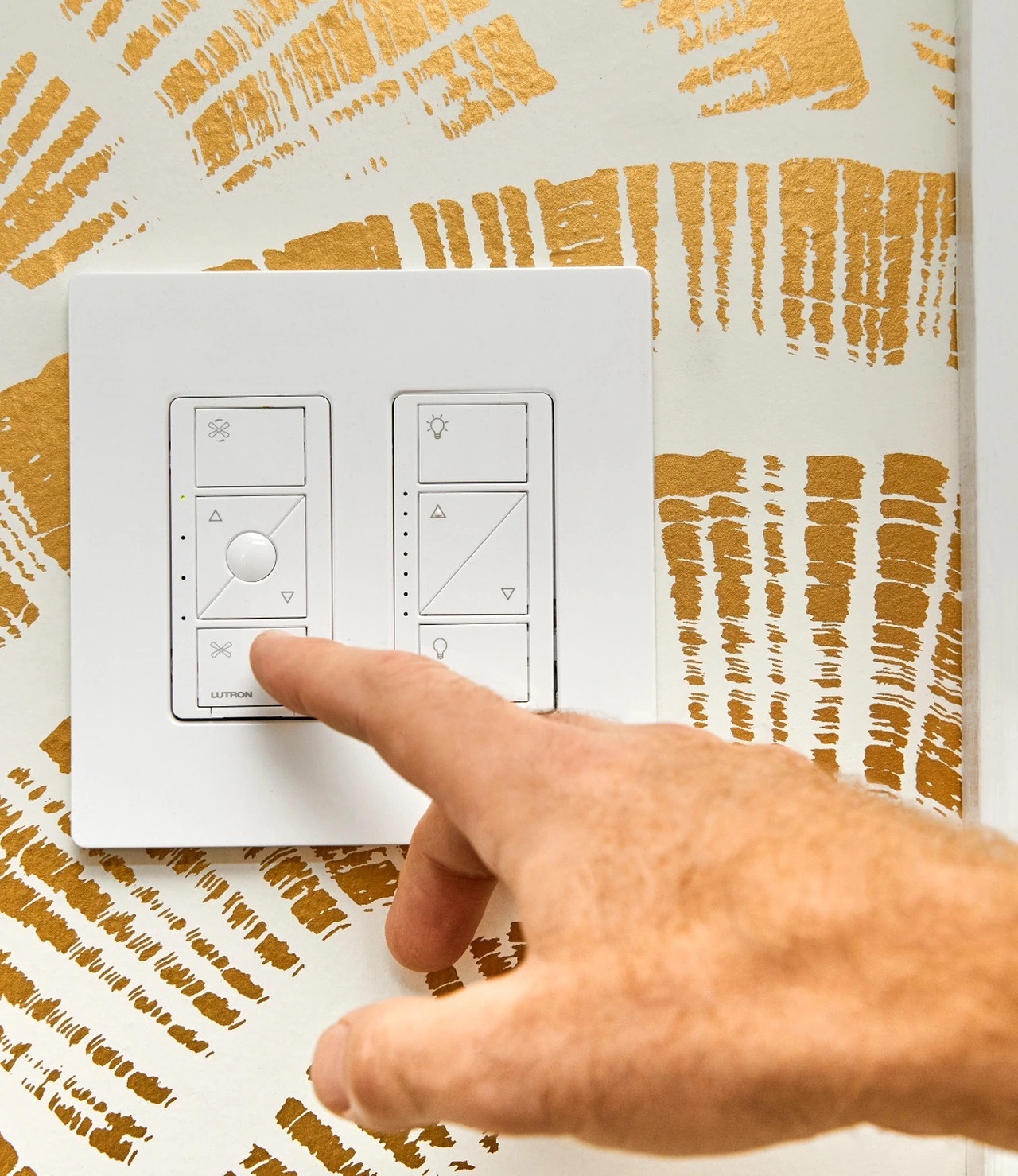
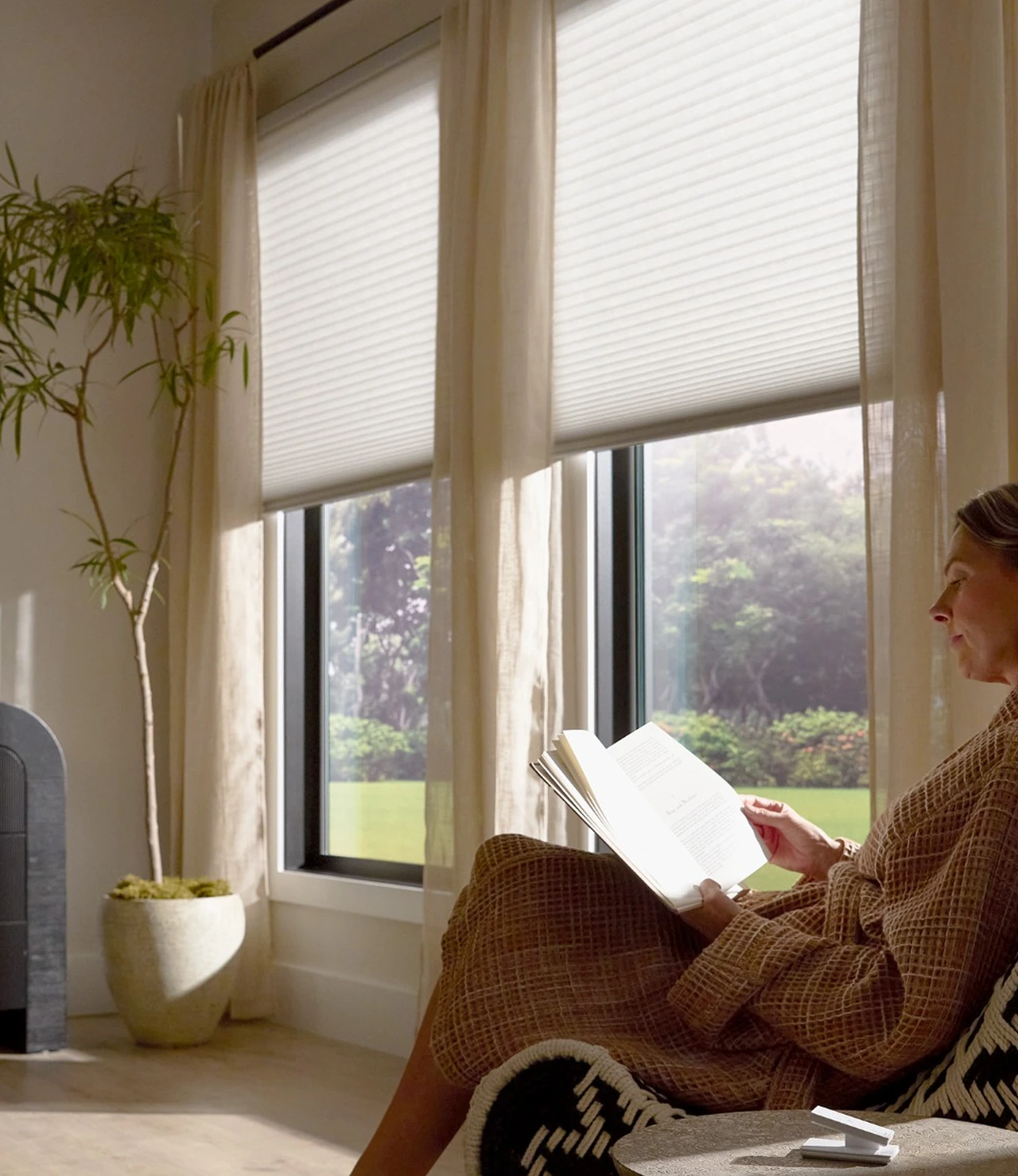
A strong Lutron installation starts with understanding how the property is used day to day. That includes how rooms transition from morning to evening, where glare becomes frustrating, where privacy matters most, which lights should dim together, and where wall controls should be placed so they feel natural instead of excessive. The goal is to create a system that looks clean on the wall, makes sense in the app, and supports everyday living without adding friction.
For some homes, that means a more focused control strategy centered on key living spaces, primary rooms, and the most-used windows. For others, it means planning a broader whole-home system that coordinates lighting, automated shades, scenes, and integration from the beginning. Either way, the value is in choosing the right approach for the property instead of forcing the home into a generic package.
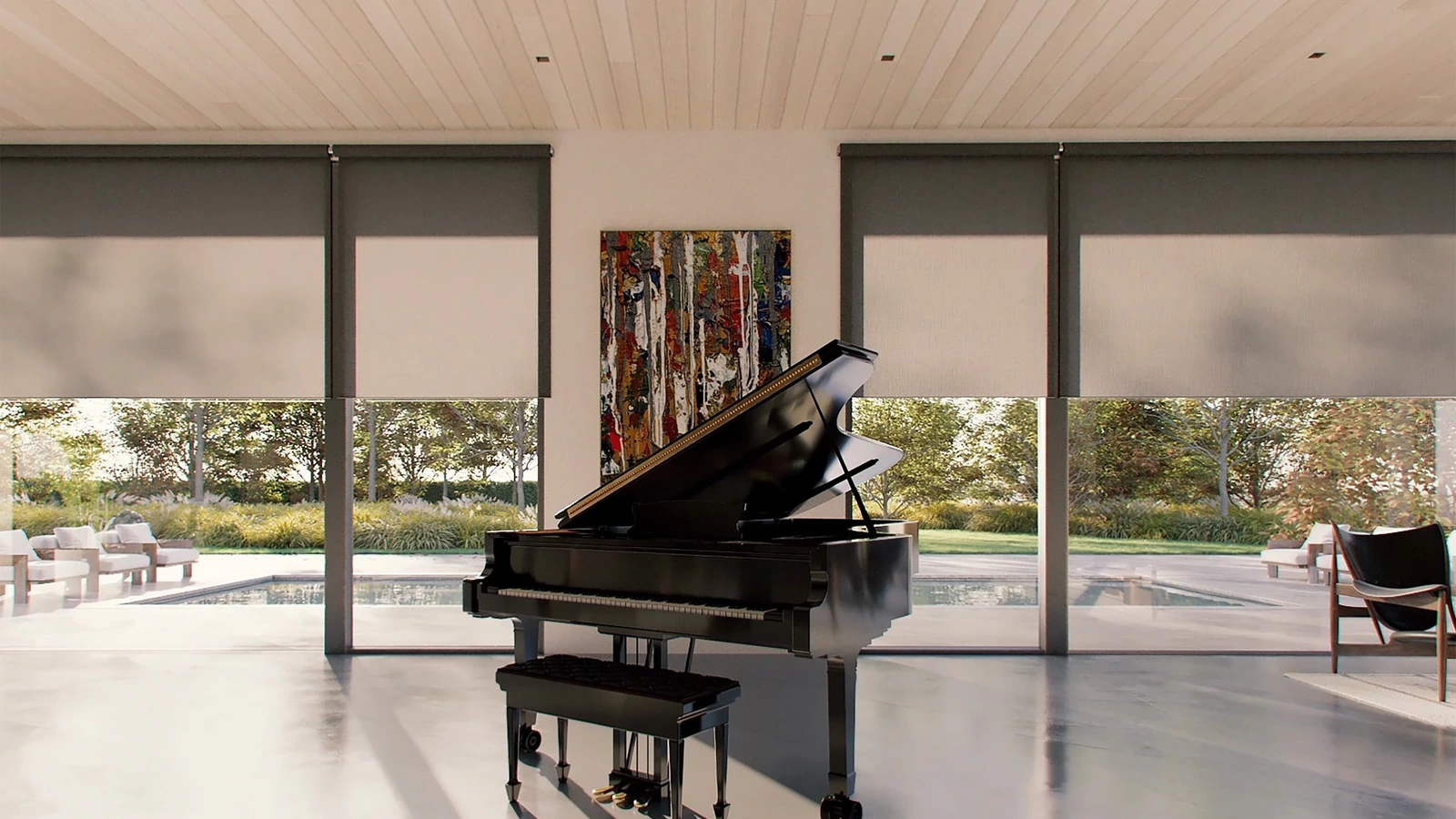
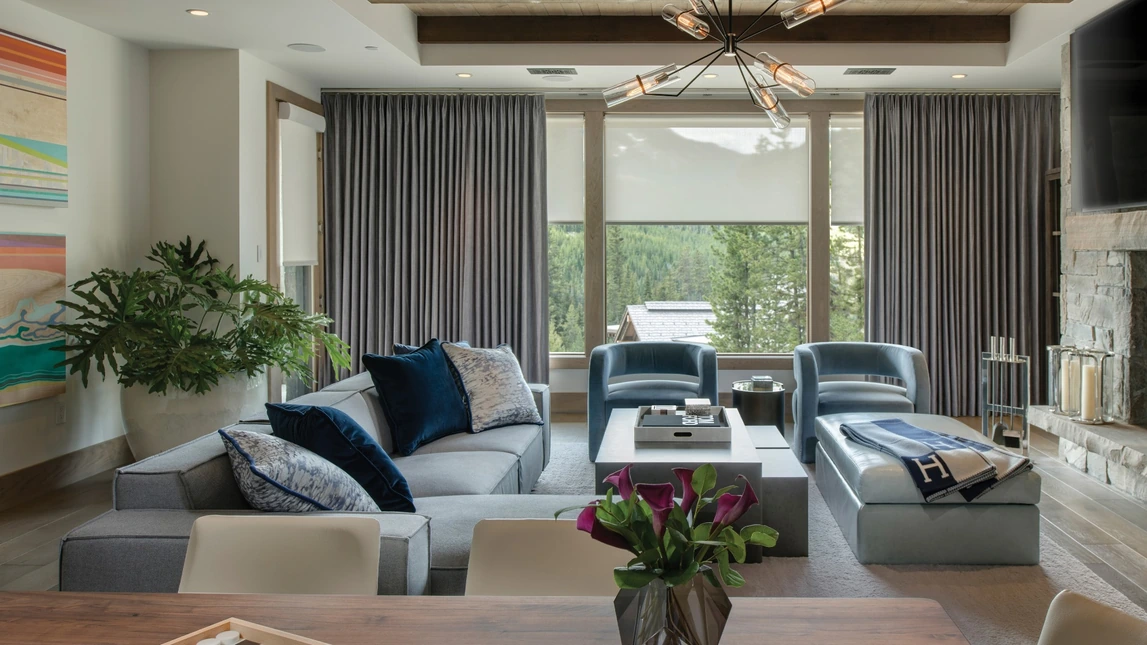
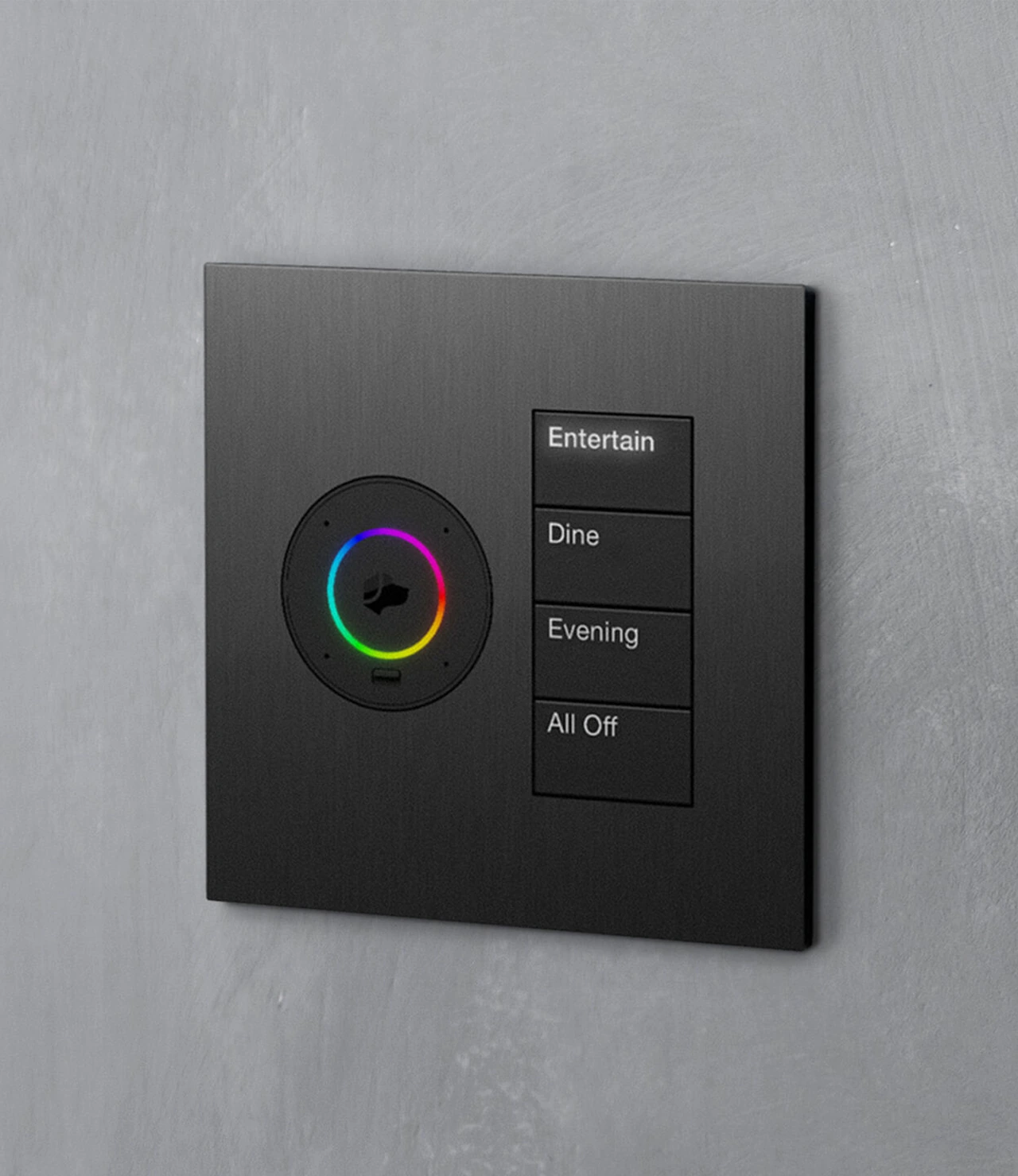
A finished Lutron system should feel dependable and easy to live with. Keypads should be placed where they are genuinely useful. Scene names should make sense. Dimming should feel smooth. Shade behavior should support comfort, privacy, and daylight control without feeling overly complicated. When the planning is right, the technology fades into the background and the home simply feels more organized.
That is why the right installer matters. Good planning, clean installation, and thoughtful programming are what turn premium hardware into a finished experience that feels calm, organized, and easy to use throughout the home.