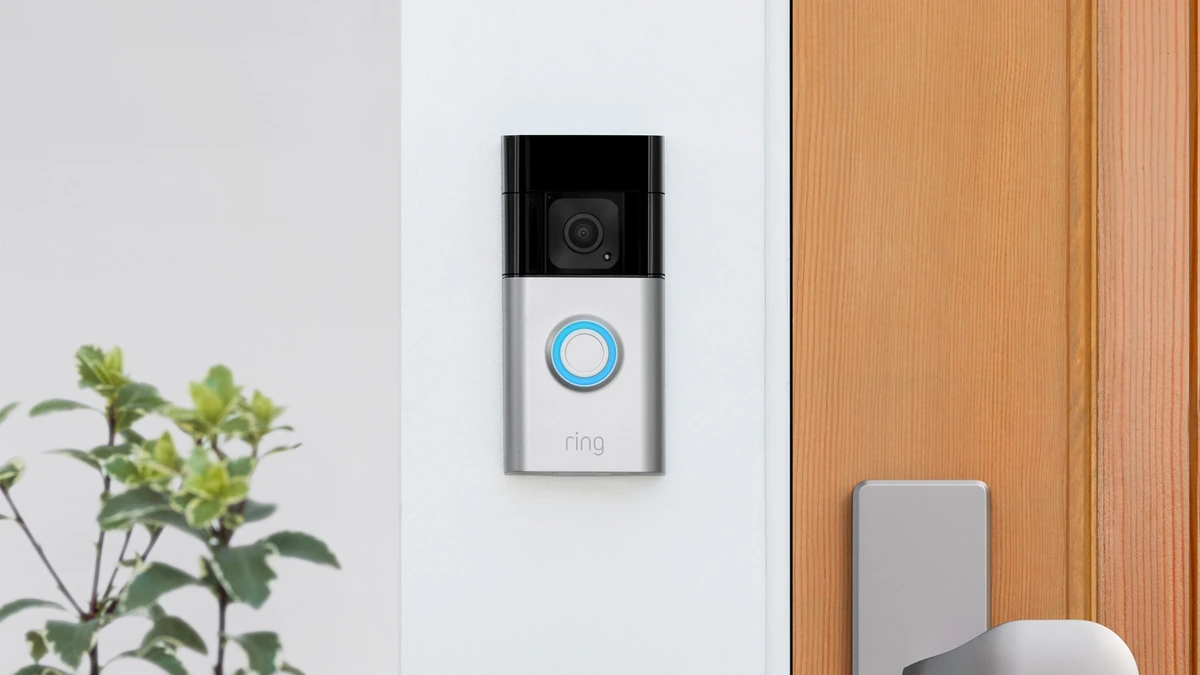
Professional Ring installation should solve more than the first setup screen
A Ring installation is usually about more than getting the device online. Many homeowners already own the doorbell, camera, chime, or floodlight they want to use; the real issue is making sure it is mounted cleanly, powered correctly, connected to the right network, and adjusted so it helps instead of creating daily friction.
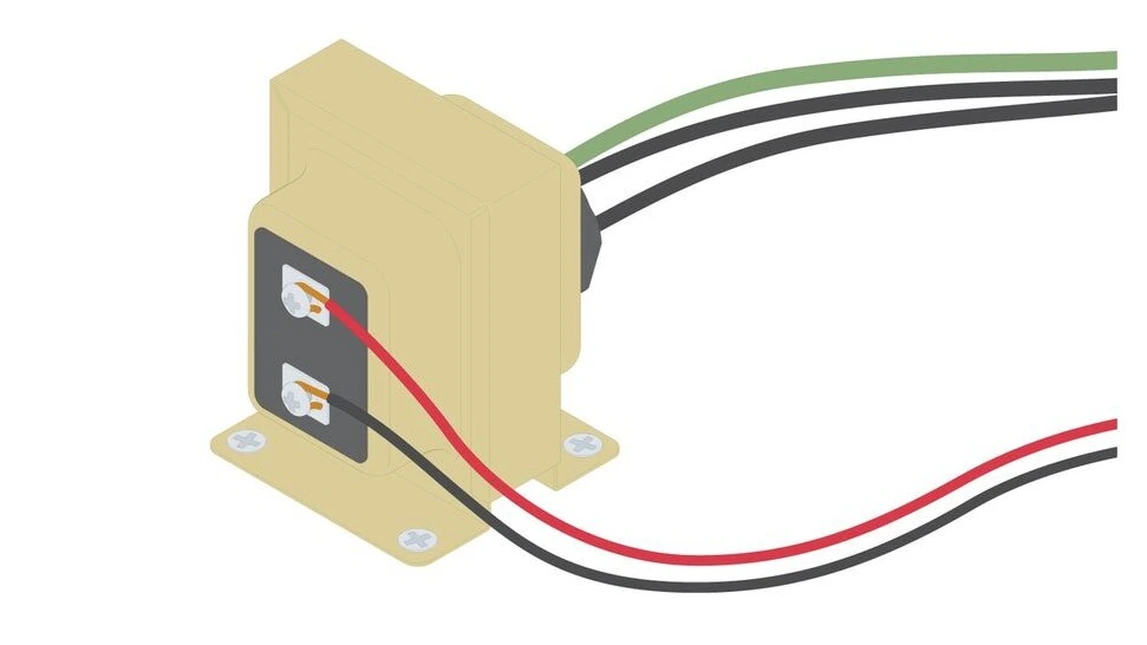
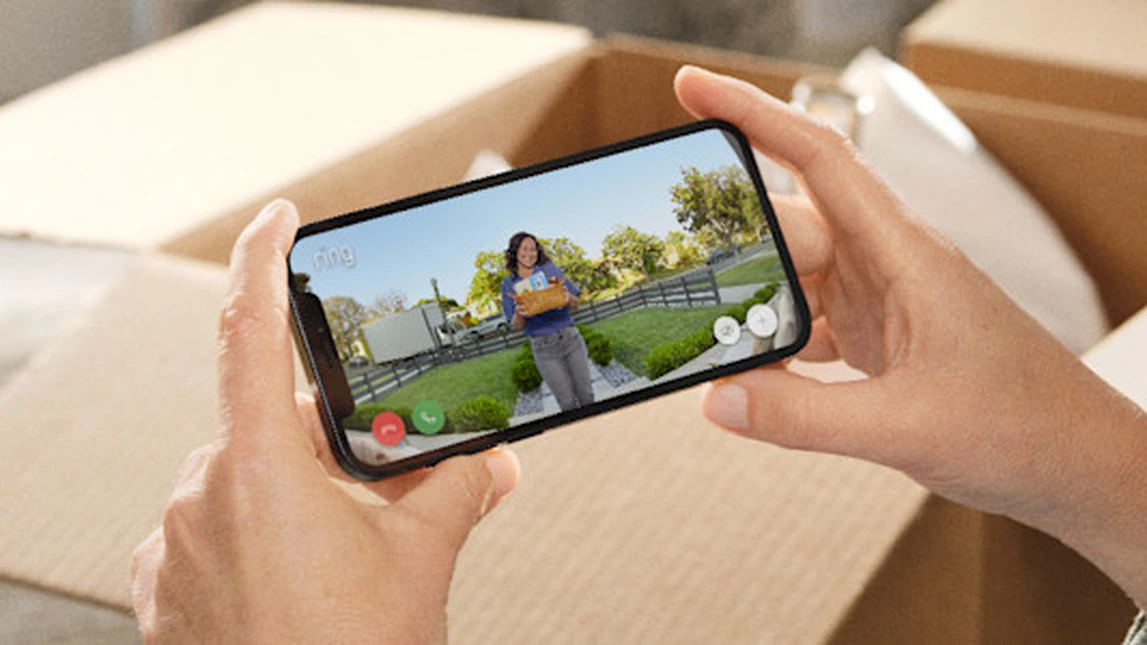
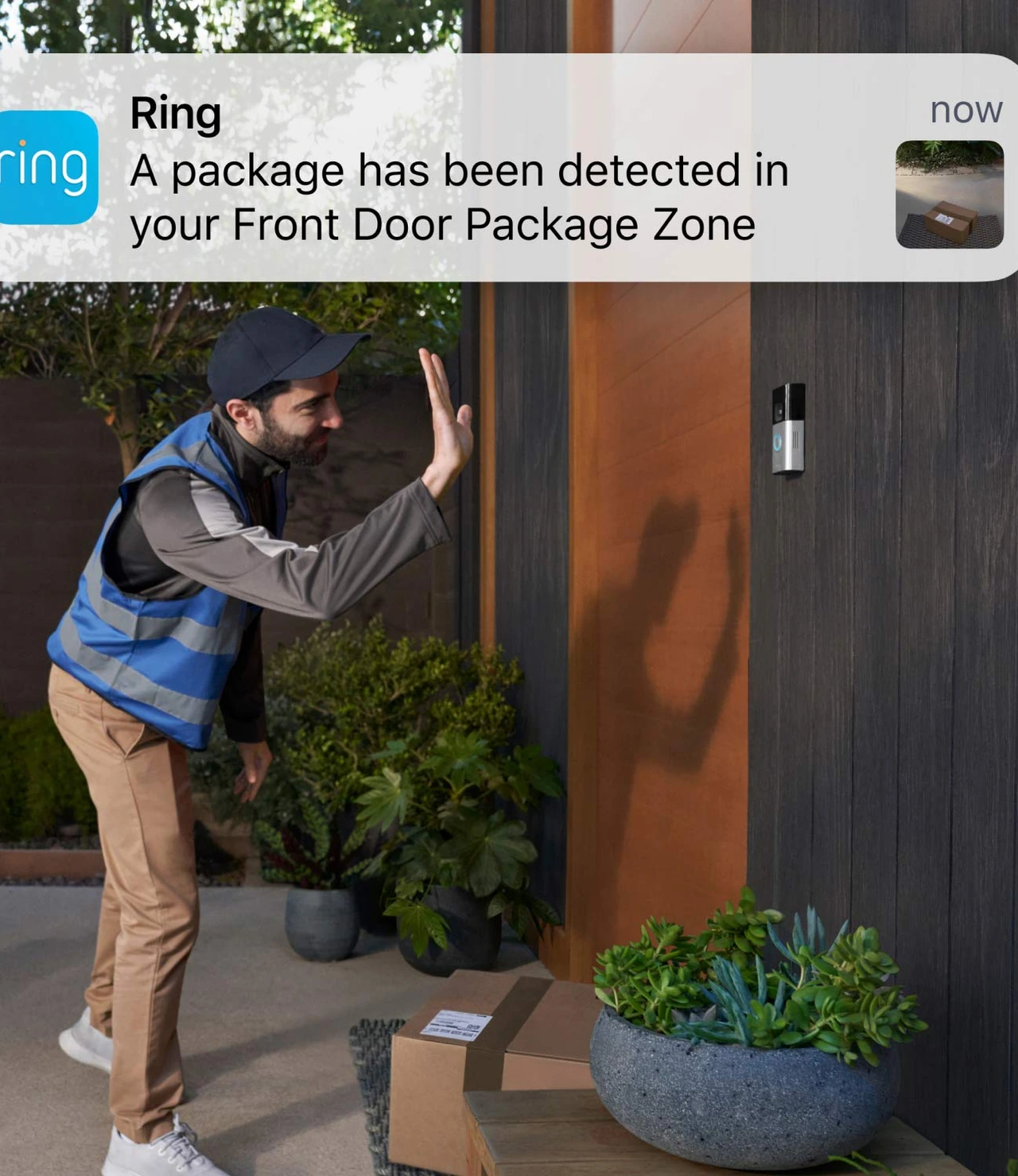
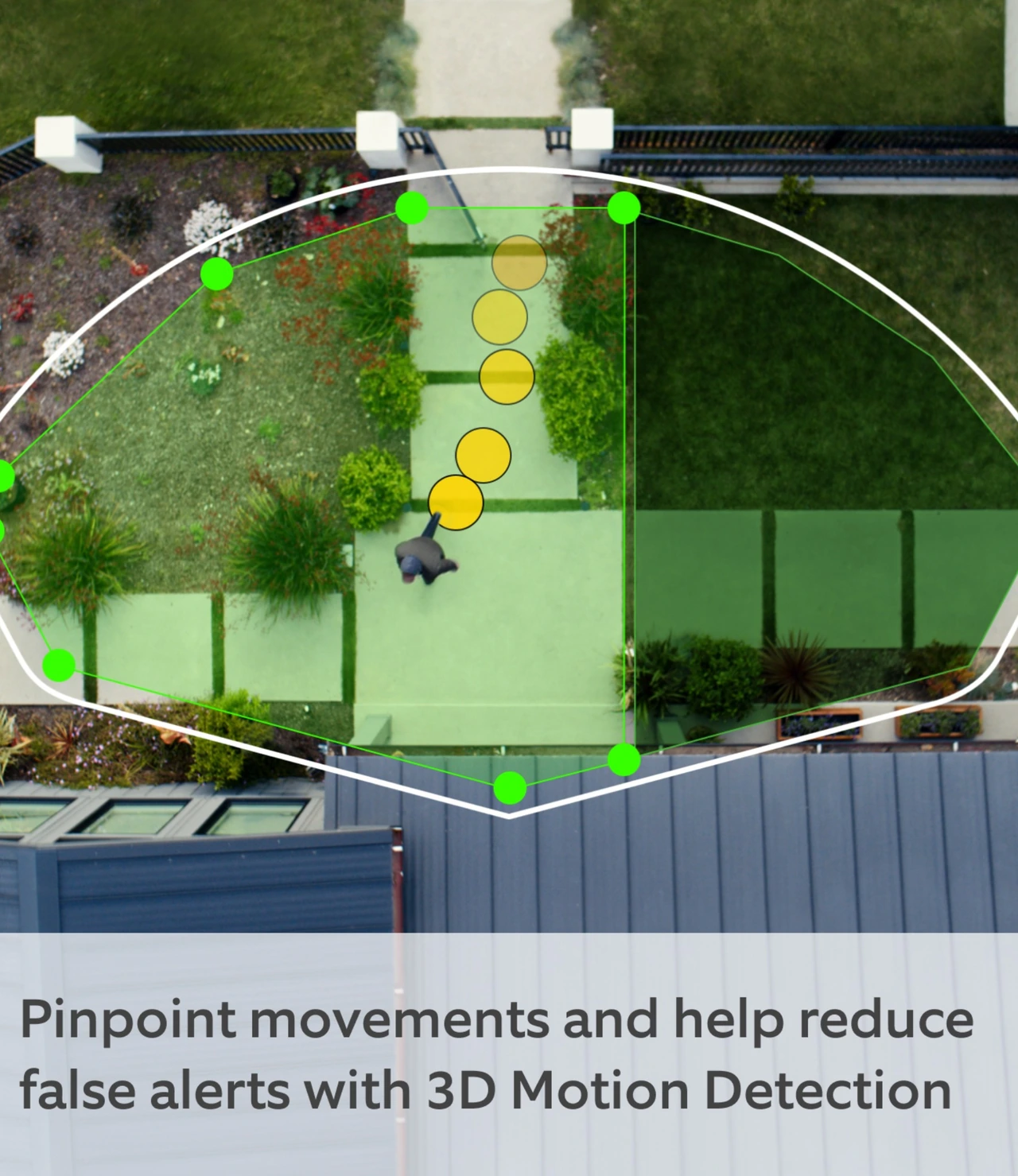
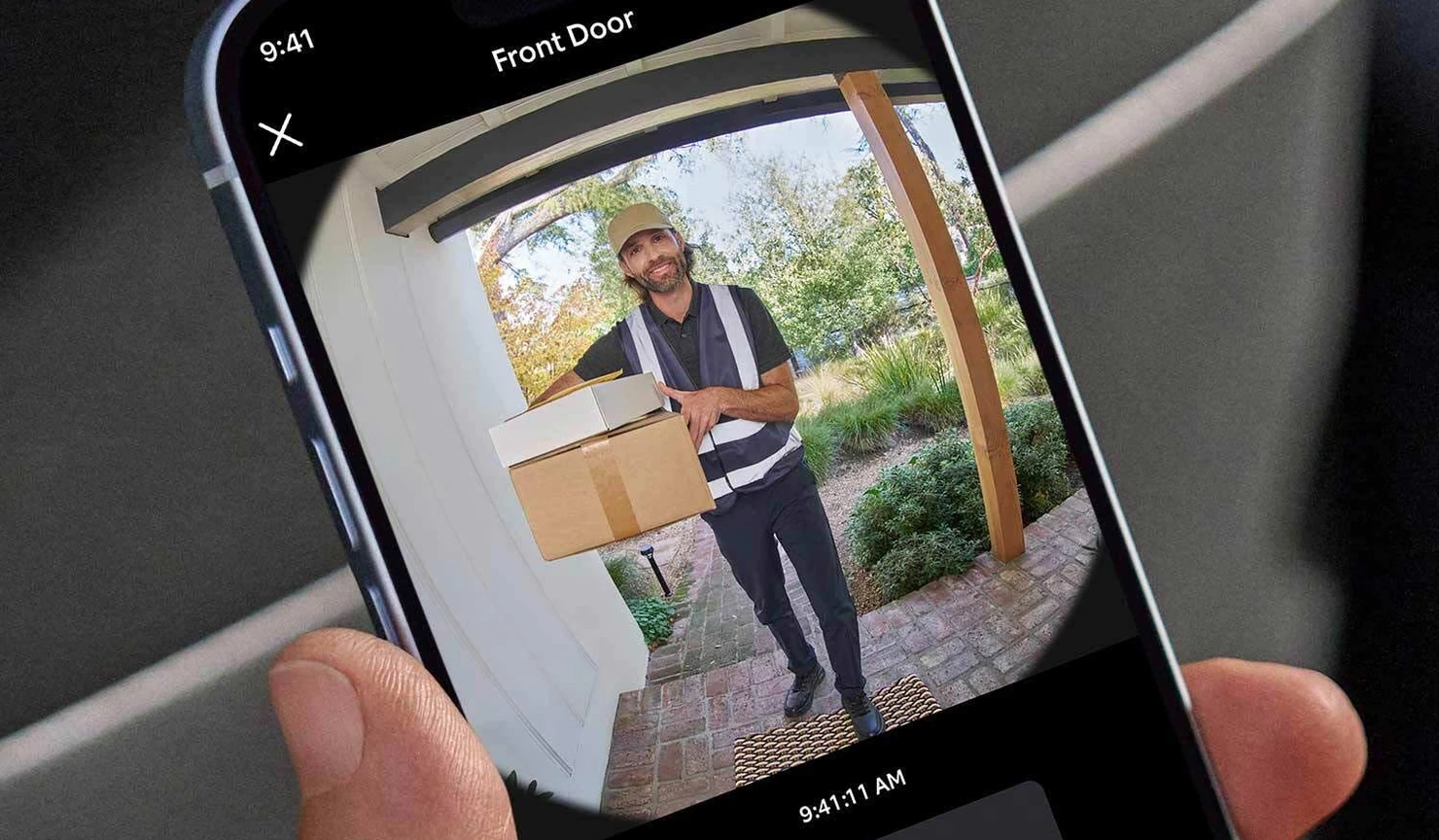
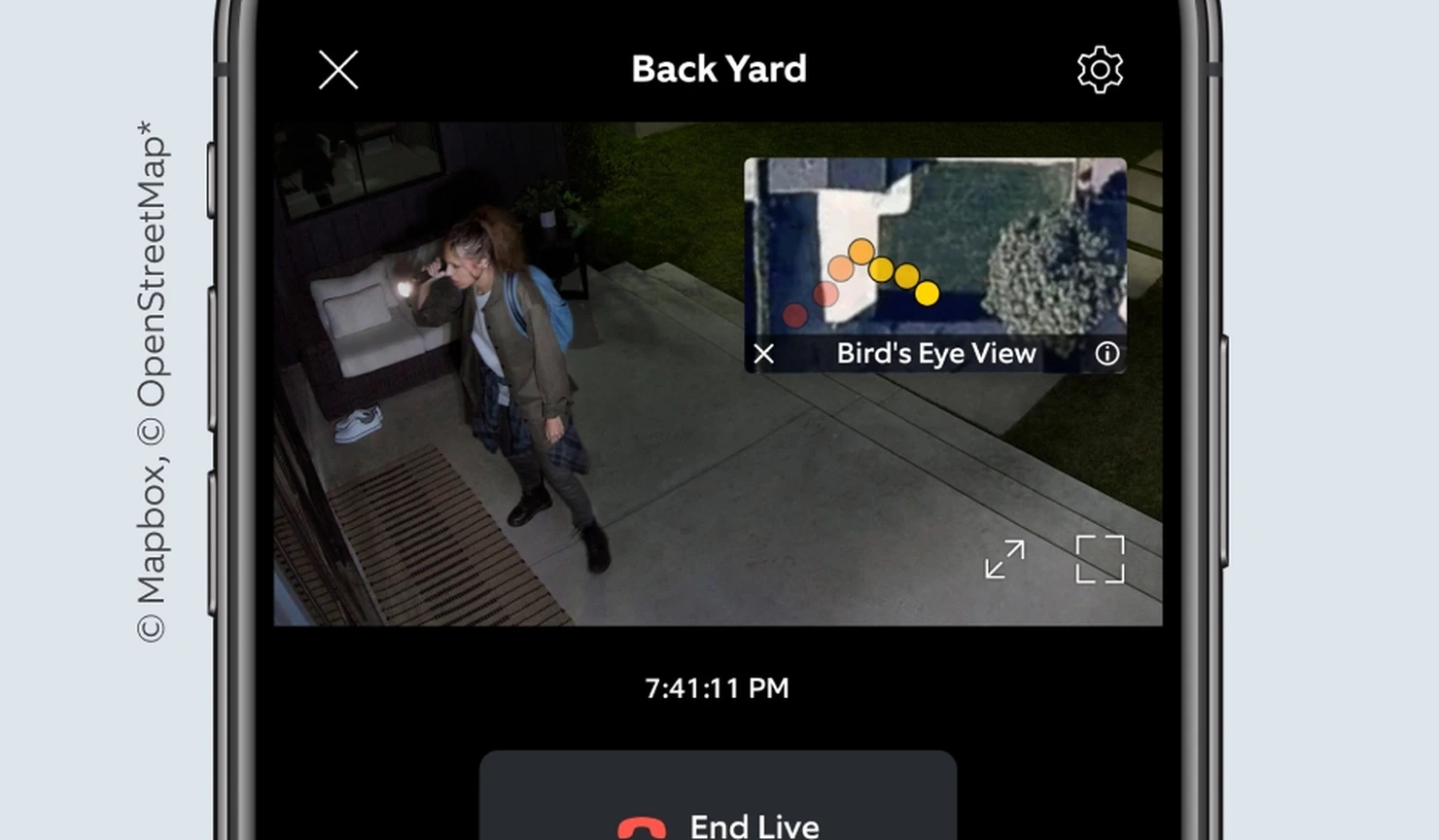
That means checking the entry layout, mounting surface, viewing angle, existing doorbell wiring or transformer, Wi-Fi strength, app setup, device naming, live view response, motion zones, alerts, and interior notification behavior. The goal is a Ring system that looks intentional on the home, captures the useful areas of the property, and feels practical to use every day.
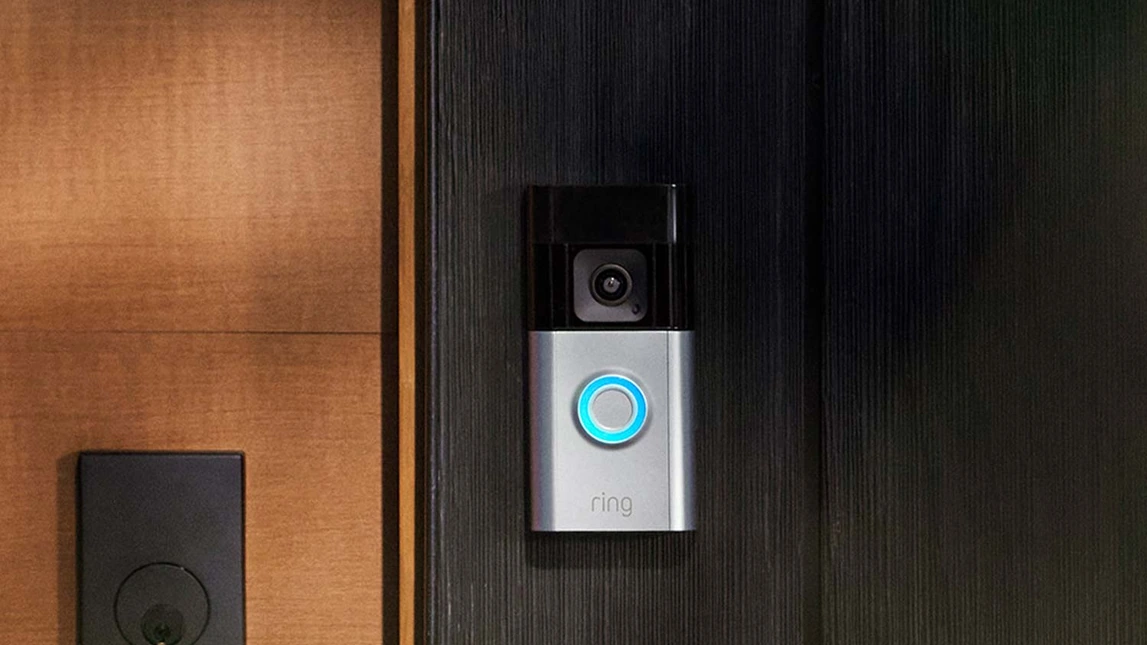
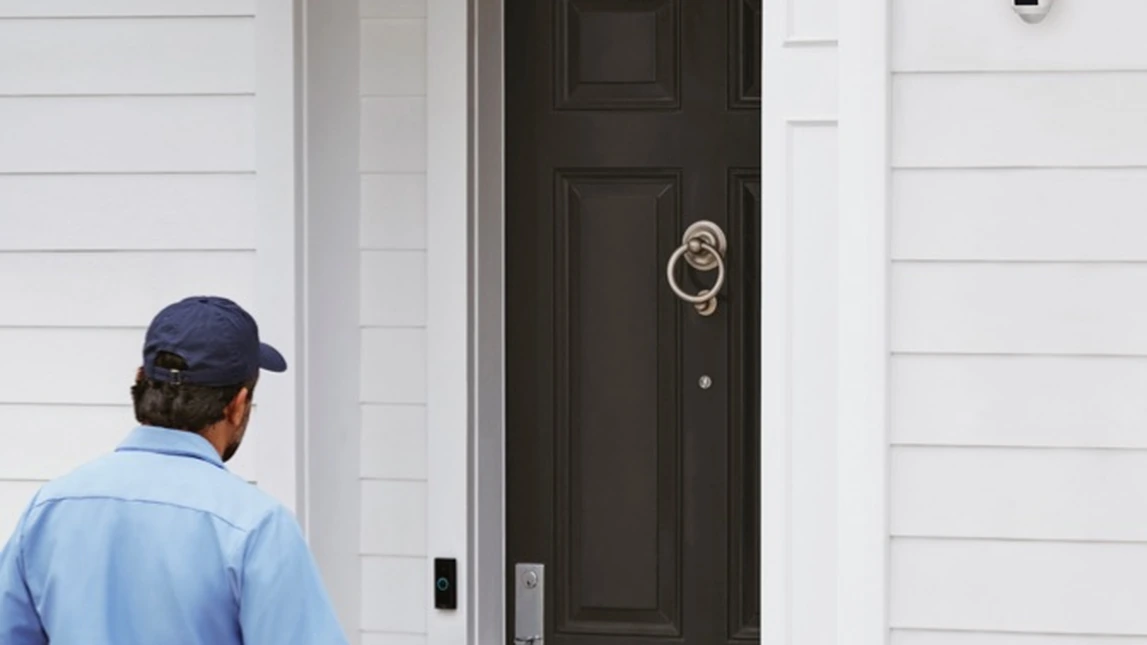
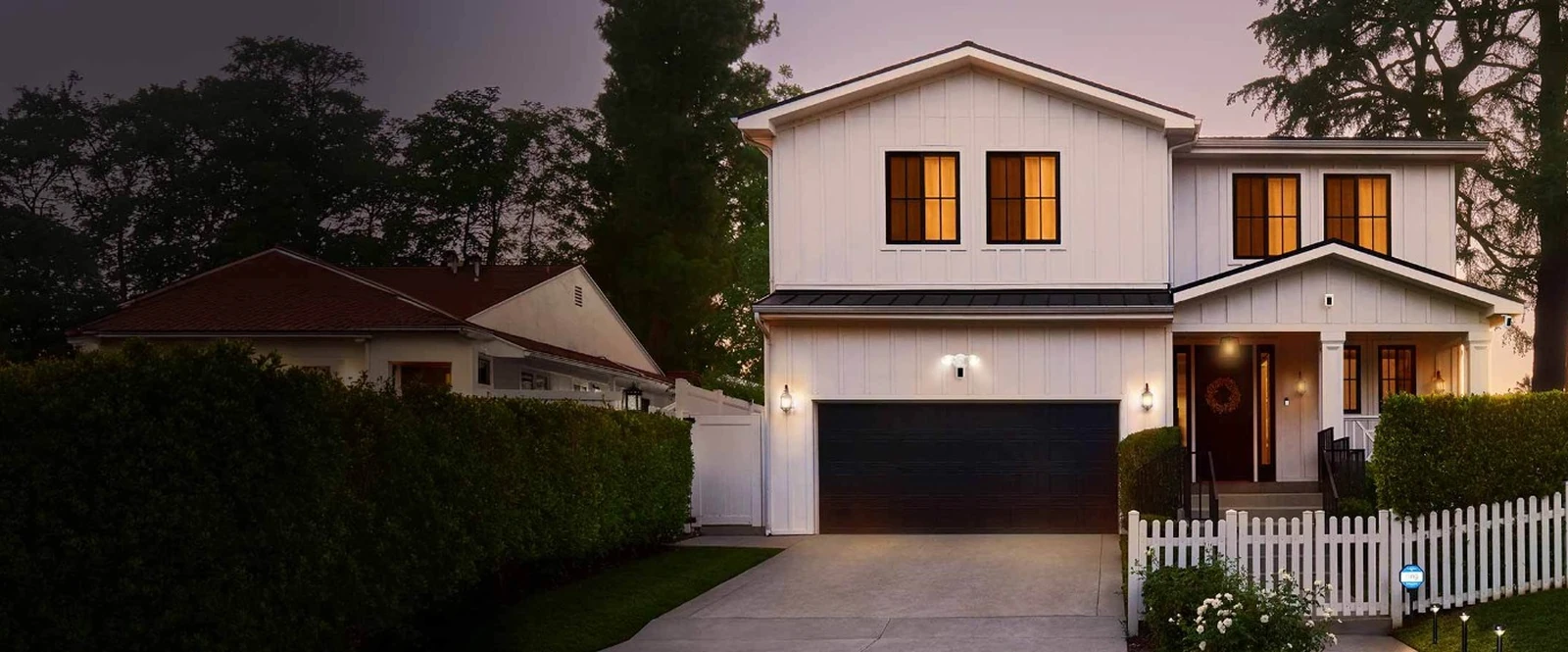
A better Ring installation starts with layout, not hardware alone. The right approach is to look at the front entry, driveway, side gates, garage approach, pool access, rear patio, and any low-visibility paths that matter to the way the property is actually used. From there, the installation can be shaped around the right Ring category for each area, whether that means a video doorbell at the main entrance, a camera protecting blind approach points, a floodlight camera where illumination matters at night, or a chime and app configuration that makes notifications easier to live with. The result should feel organized from day one, not patched together device by device.
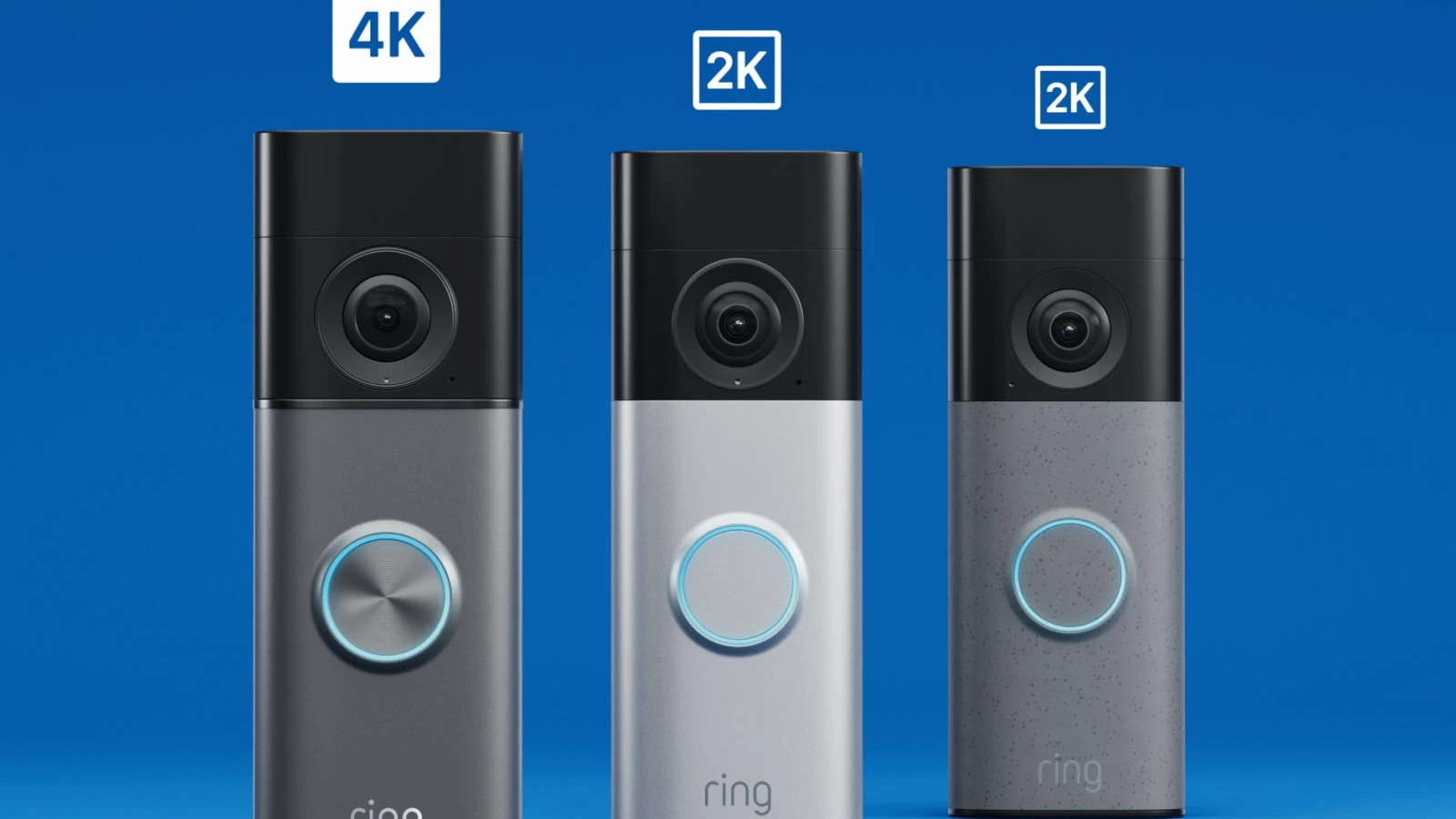
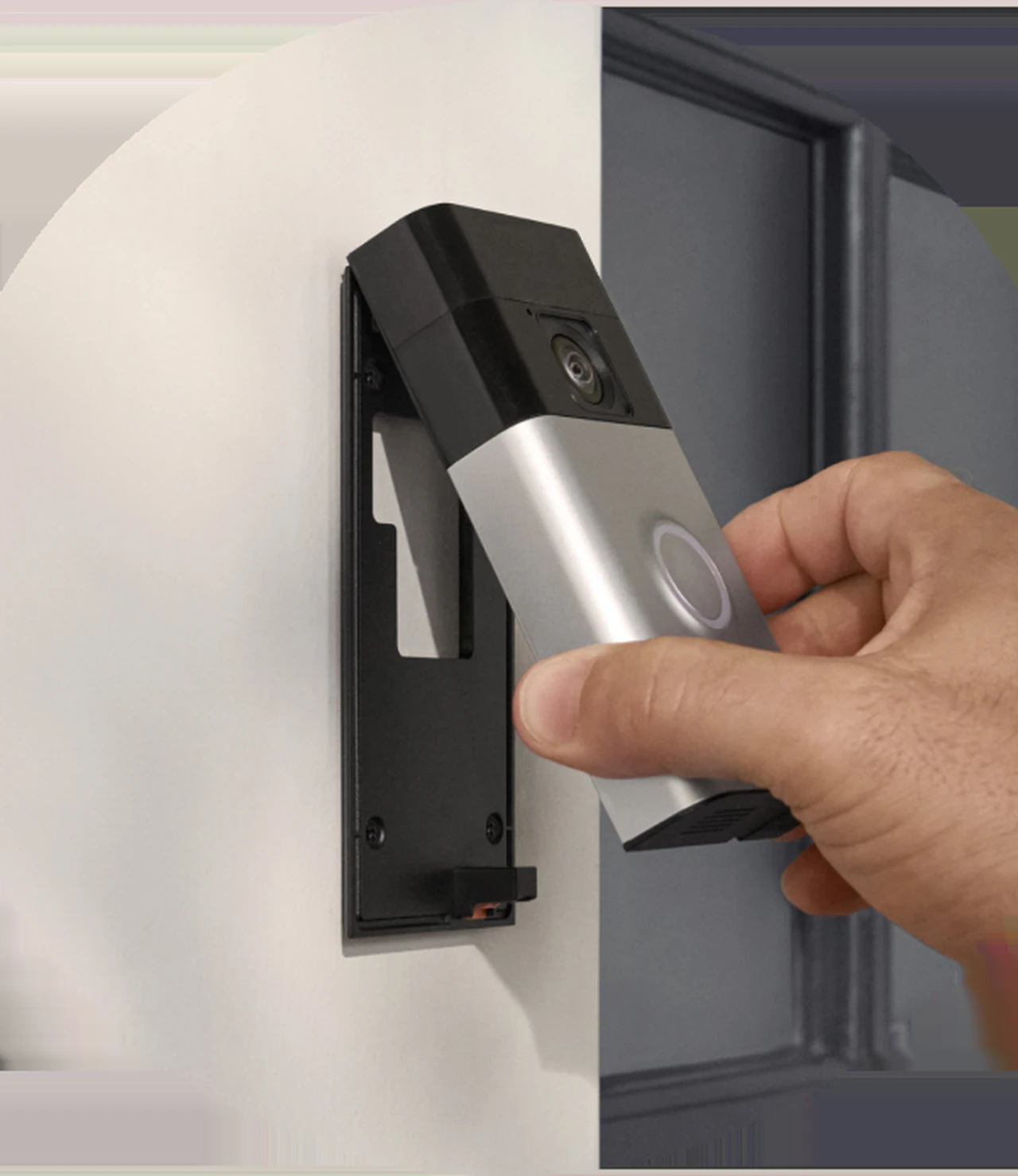
Ring projects often involve practical decisions before the device is mounted: battery versus hardwired power, existing chime compatibility, wedge or corner mounting, solar support, Wi-Fi strength, and whether a previous self-install needs to be corrected. PBCAV handles those details through a clear process: evaluate the surface and angle, verify power, mount cleanly, connect the device properly, bring the app online, test motion and live view, confirm alerts, and fine-tune the system so it fits the household instead of constantly interrupting it.
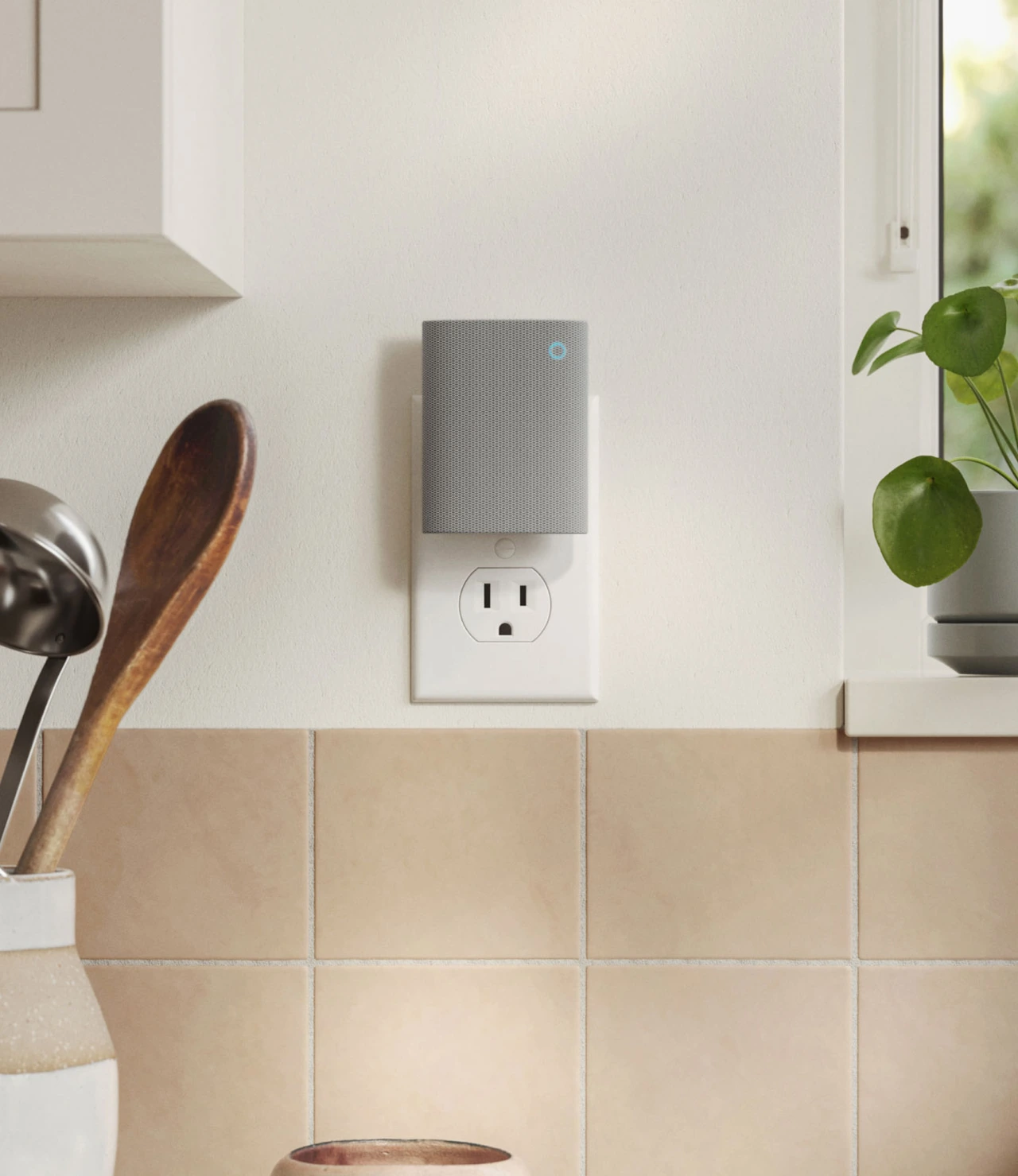
That is where a more experienced installation team can bring real value. A properly installed Ring system should not look crooked, feel temporary, miss the useful zones, or leave the homeowner guessing about power warnings and weak signal issues. It should look intentional on the home, work smoothly in the Ring app, and support a cleaner daily routine. Whether the goal is a better front door experience, broader exterior awareness, or a more complete Ring ecosystem with cameras, chimes, and Alexa announcements, the installation should be built around dependable performance and a more polished finish.