A home network should feel invisible when it works and obvious when it is built right
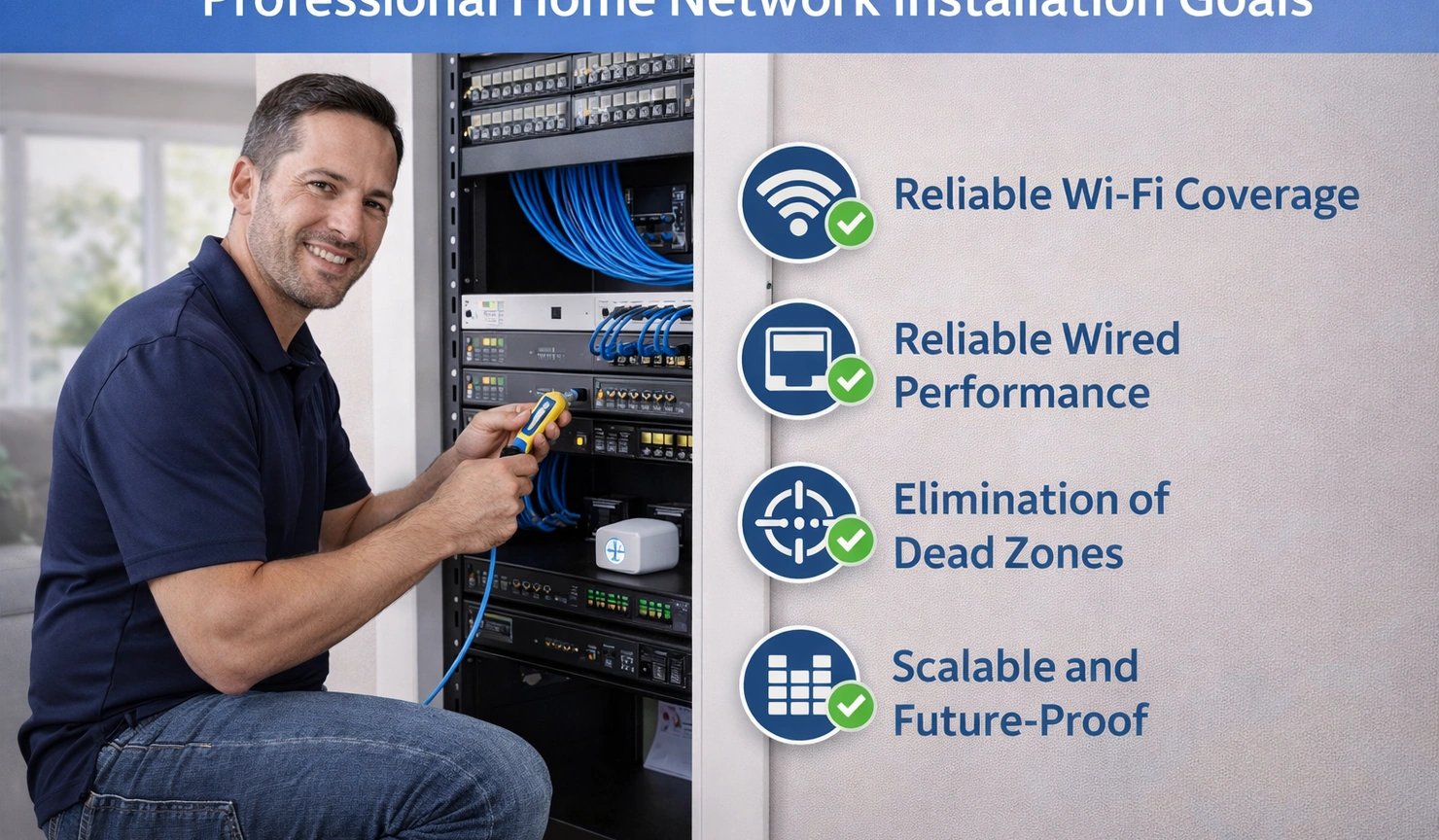
A home network problem usually shows up in everyday moments: calls freeze in the office, TV apps buffer at the wrong moment, cameras lag, rooms lose signal, or new smart devices expose how fragile the current setup really is. A good network installation should make the home feel stable, fast, organized, and ready for daily life, with Wi-Fi where people actually use it, wired connections where performance matters most, and a clear plan for whether more equipment will solve the issue or only mask weak infrastructure.
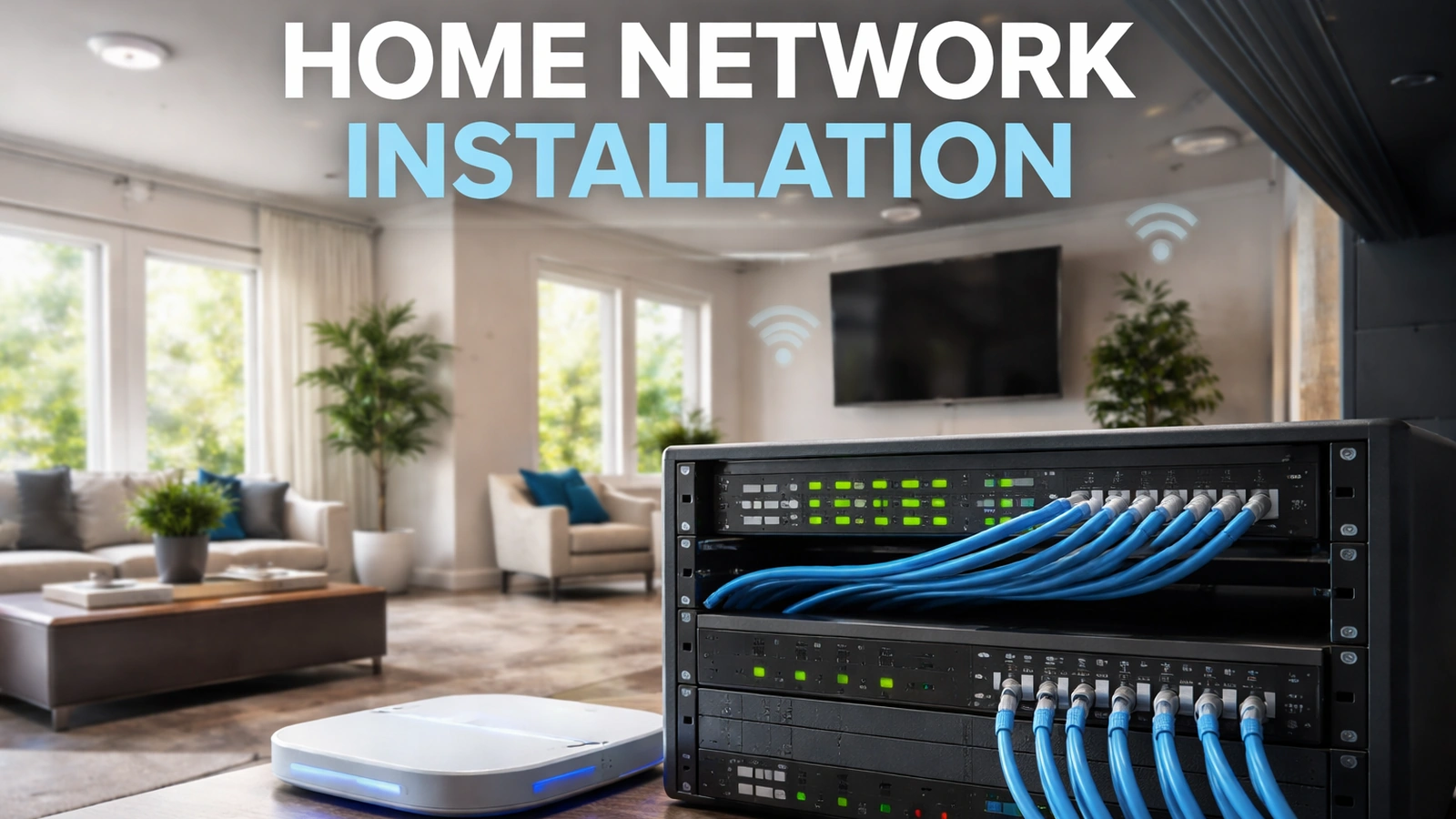
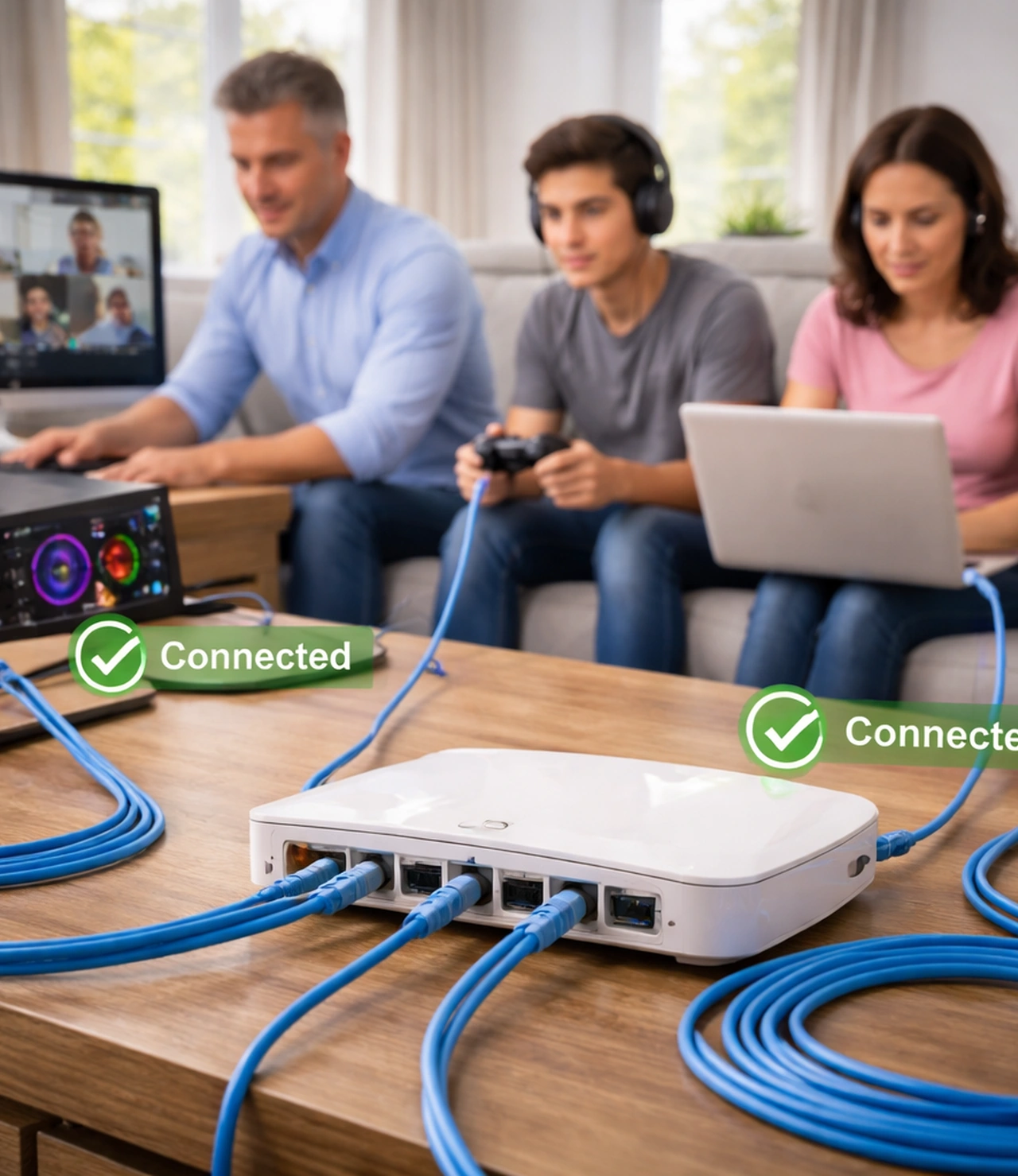
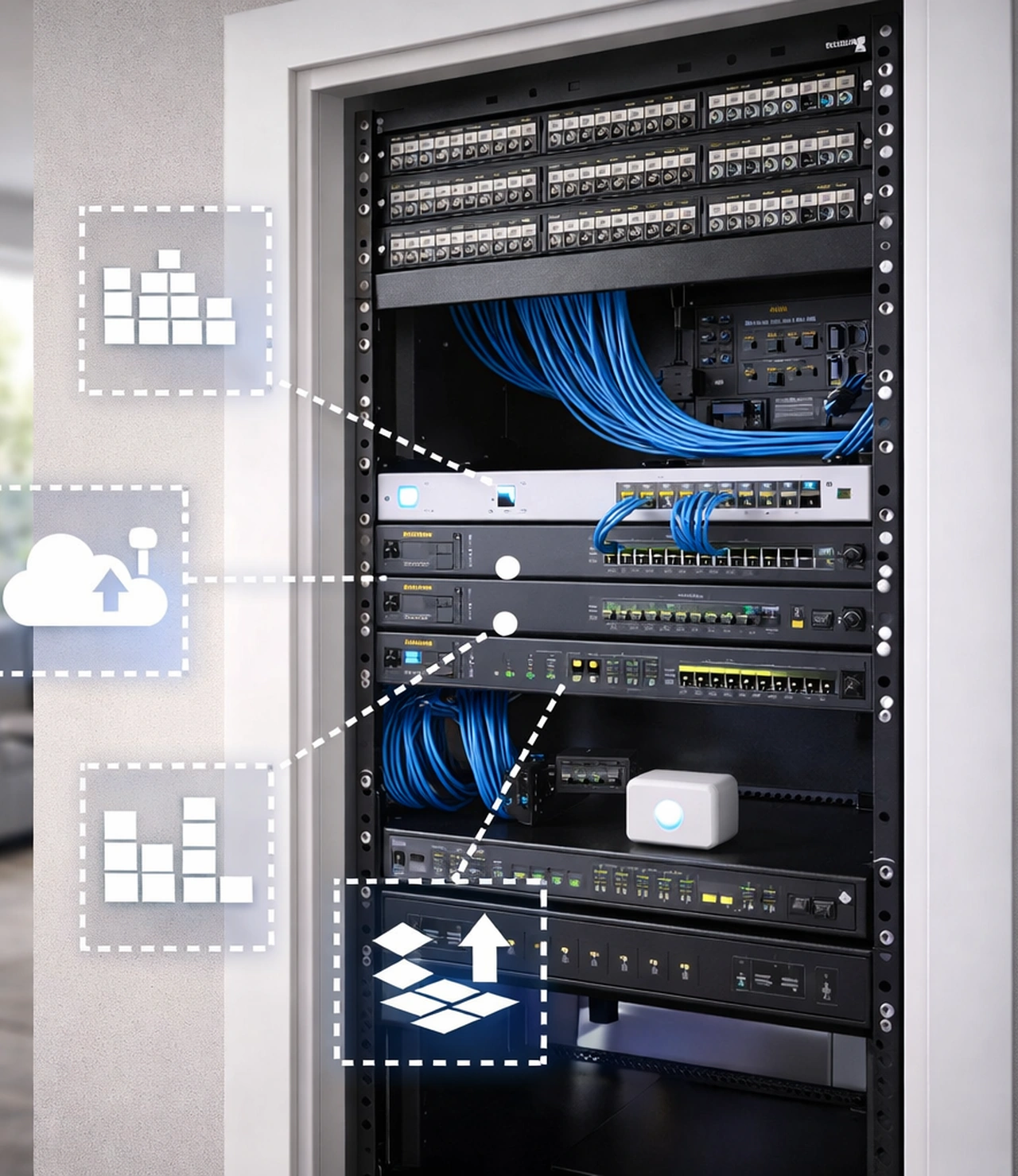
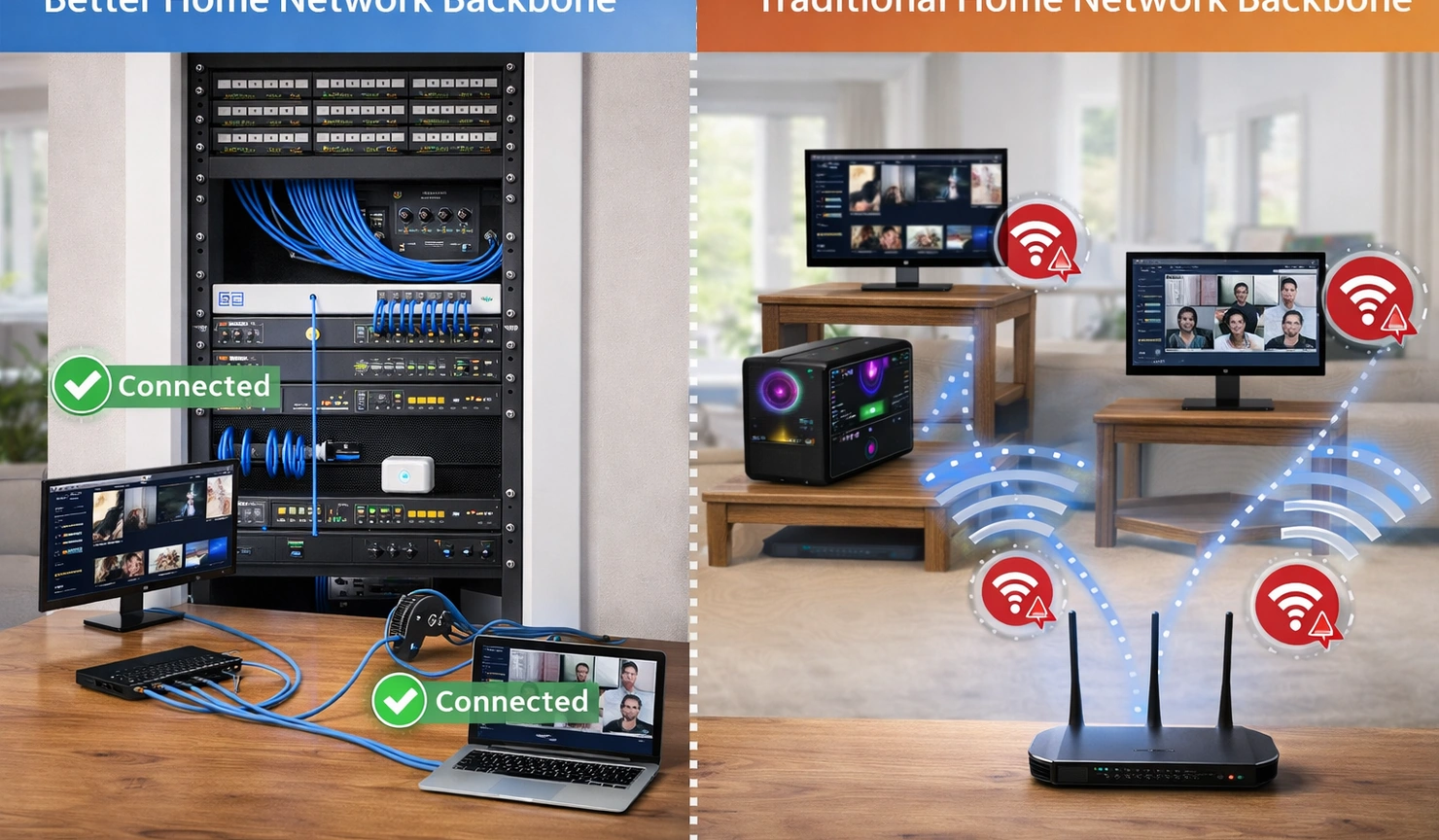
Home network cable installation and residential Ethernet installation often become important when Wi-Fi alone is not enough. Dedicated cabling to media areas, offices, access points, cameras, streaming devices, gaming systems, smart TVs, and docked workstations can give the home a more dependable backbone and reduce the strain on wireless devices.
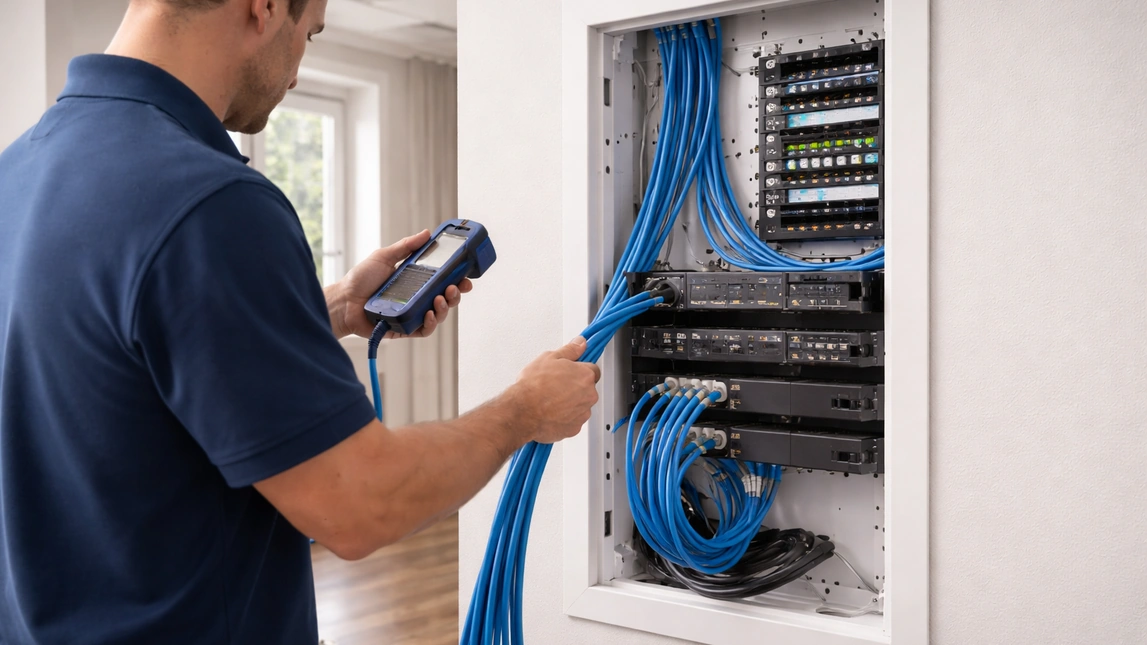
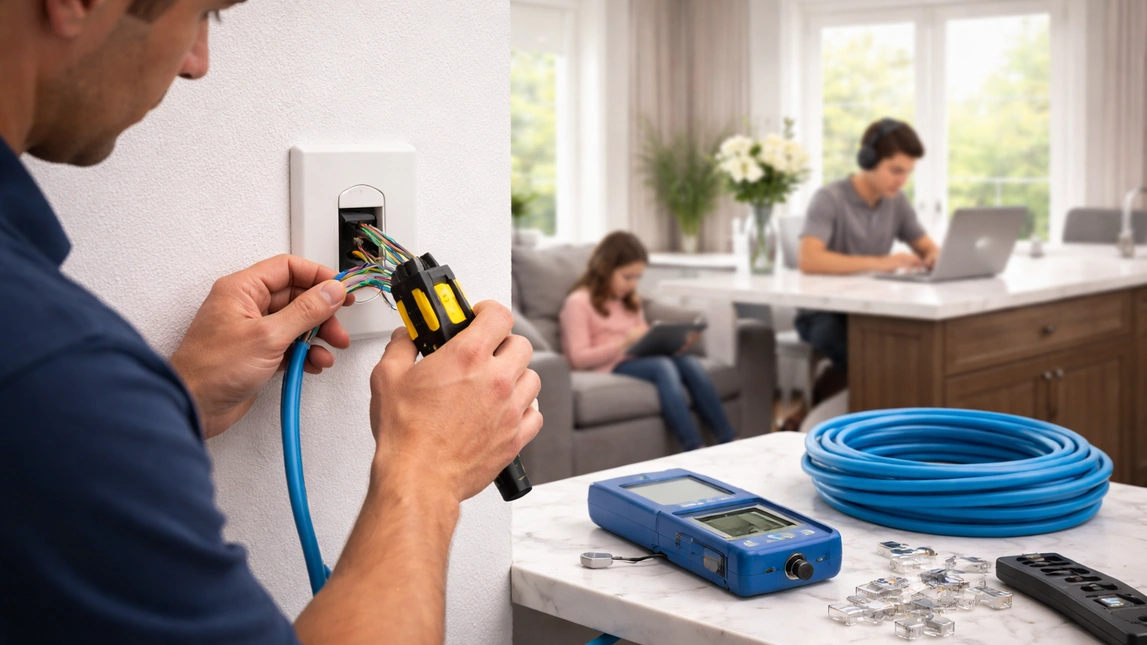
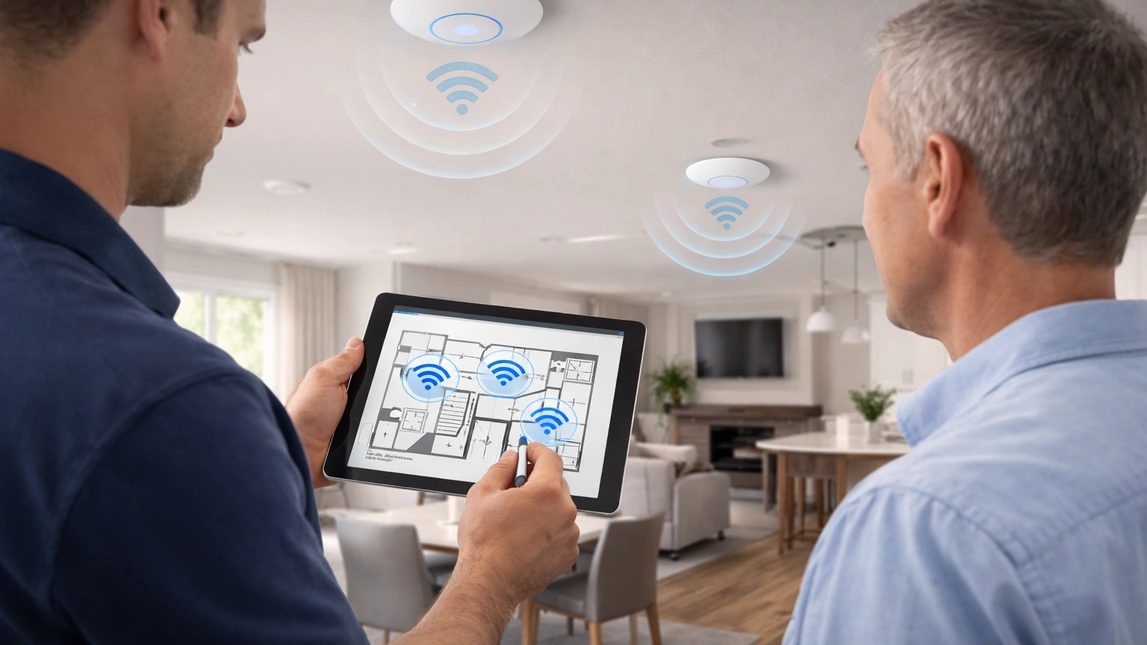
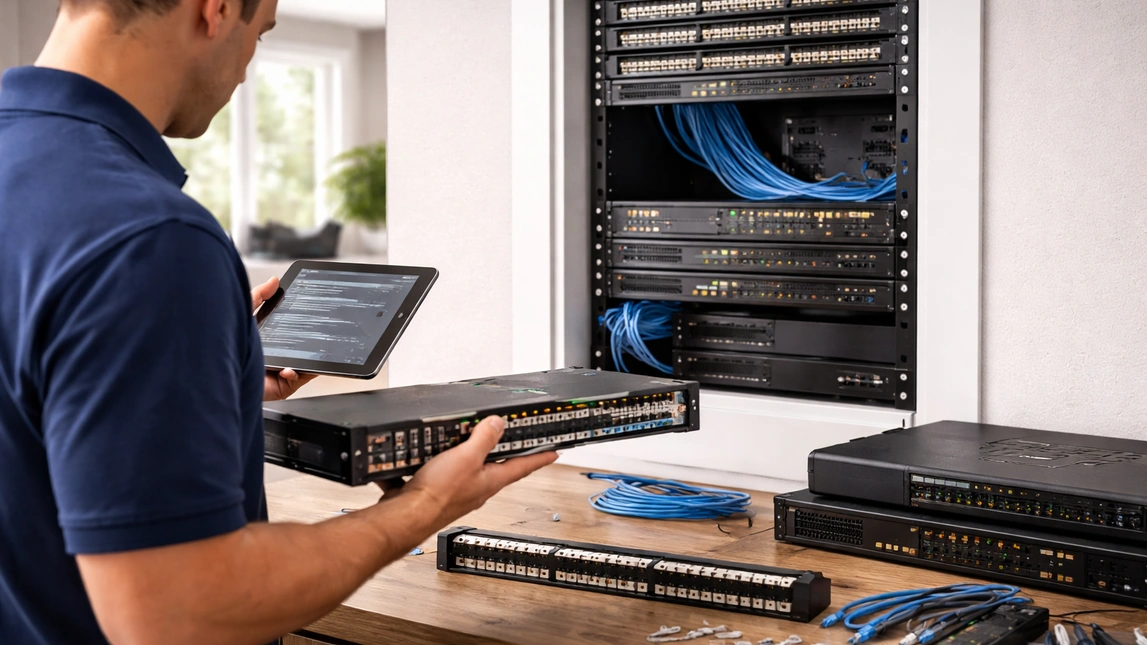
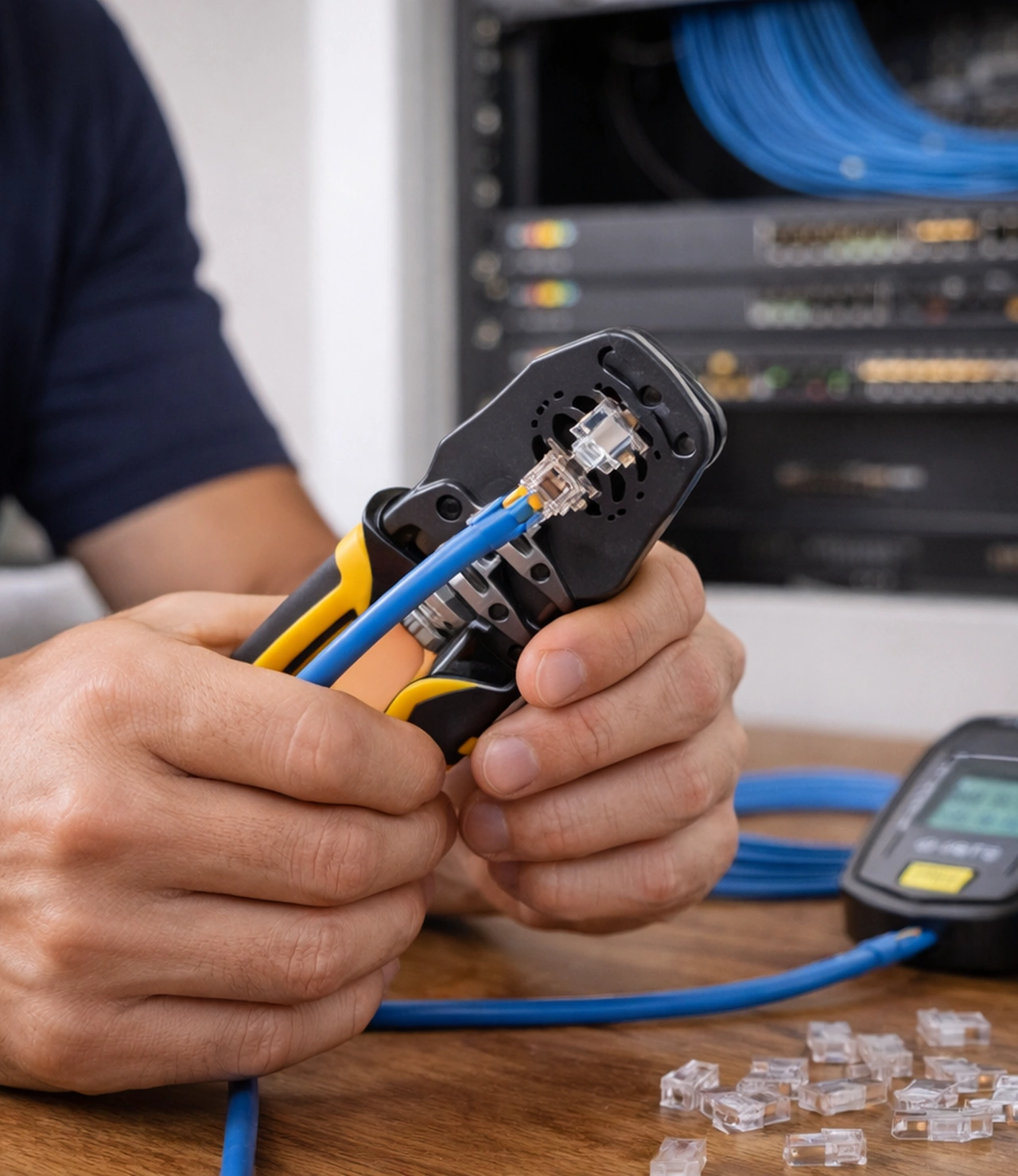
PBCAV approaches home network installation as infrastructure planning first and equipment second. That means looking at the layout of the home, the materials in the walls, the number of users, the bandwidth demands of work and entertainment, and which devices should be hardwired instead of competing over wireless bandwidth. A proper design often includes stronger router placement, dedicated access points, properly terminated category cable, clean wall plate locations, organized switching, and enough headroom for the next phase of the home instead of only the devices being connected today.
A strong residential network is not just about download speed from the provider. It is about how well the home distributes that connection after it reaches the property. Large floor plans, dense interior materials, detached spaces, stacked floors, security devices, and entertainment systems all create traffic and coverage demands that cheap mesh additions do not always fix. Hardwired backhaul, central distribution, tested cable runs, and purpose-built wireless access point locations usually produce a cleaner result than randomly adding extenders and hoping signal overlaps solve performance problems.